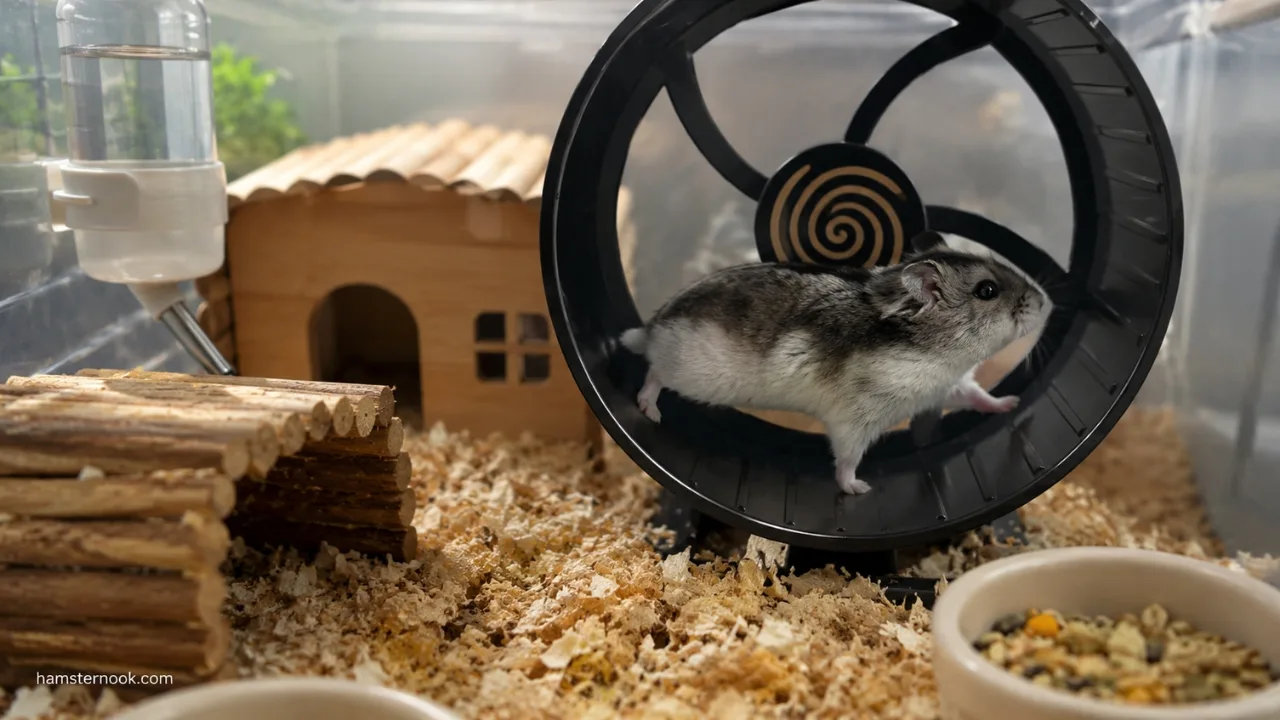
Choosing a hamster isn’t just about picking the cutest one at the pet store. Every hamster breed has its own personality, activity level, and daily routine. Some spend hours running on their exercise wheel and exploring every corner of their enclosure, while others are noticeably calmer and prefer a slower pace.
For first-time owners, activity level is one of the most overlooked factors when choosing a hamster. A highly energetic hamster usually needs more enrichment, a larger enclosure, and additional opportunities to stay busy. A calmer hamster may adapt well to a quieter environment and require less constant stimulation.
Understanding how active each breed naturally is helps you choose a pet that matches your lifestyle and makes it easier to provide proper care from the beginning.
In this guide, we’ll compare the most common pet hamster breeds, explain what influences their energy levels, and help you decide which breed best fits your expectations.

Why Activity Level Matters When Choosing a Hamster
Many people assume that all hamsters behave similarly. In reality, different species have noticeably different energy levels and behaviors.
A hamster that enjoys running several miles on a wheel every night has different care needs than one that spends more time digging tunnels or resting between short bursts of activity.
Choosing a breed whose natural behavior matches your expectations can prevent common problems such as:
- Boredom
- Bar chewing
- Stress-related behaviors
- Weight gain
- Frustration for new owners
If you’re still researching which hamster is right for you, Best Hamster Breeds for Beginners explains which breeds are easiest to care for and what new owners should expect.
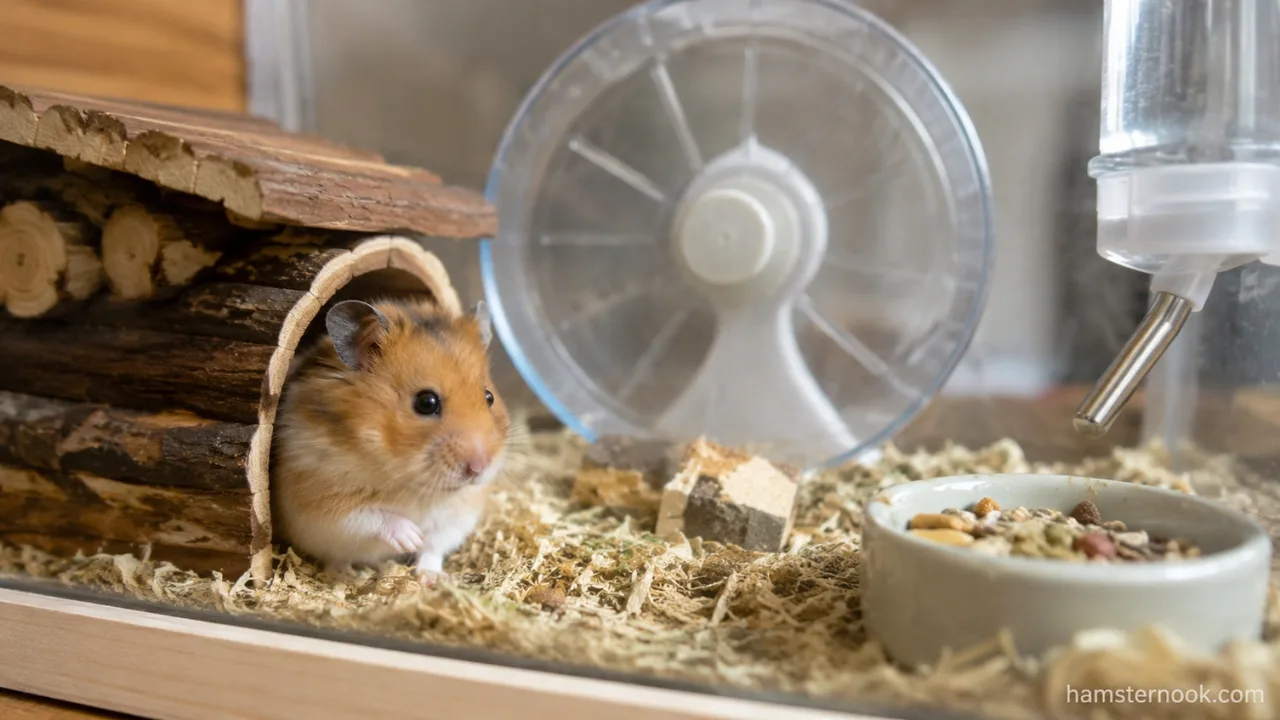
What Determines a Hamster’s Energy Level?
Breed plays an important role, but it isn’t the only factor.
Several things influence how active an individual hamster becomes.
Species
Some hamster species naturally travel longer distances in the wild while searching for food. These instincts remain even in captivity, making certain breeds noticeably more energetic than others.
Age
Young hamsters usually have more energy than senior hamsters.
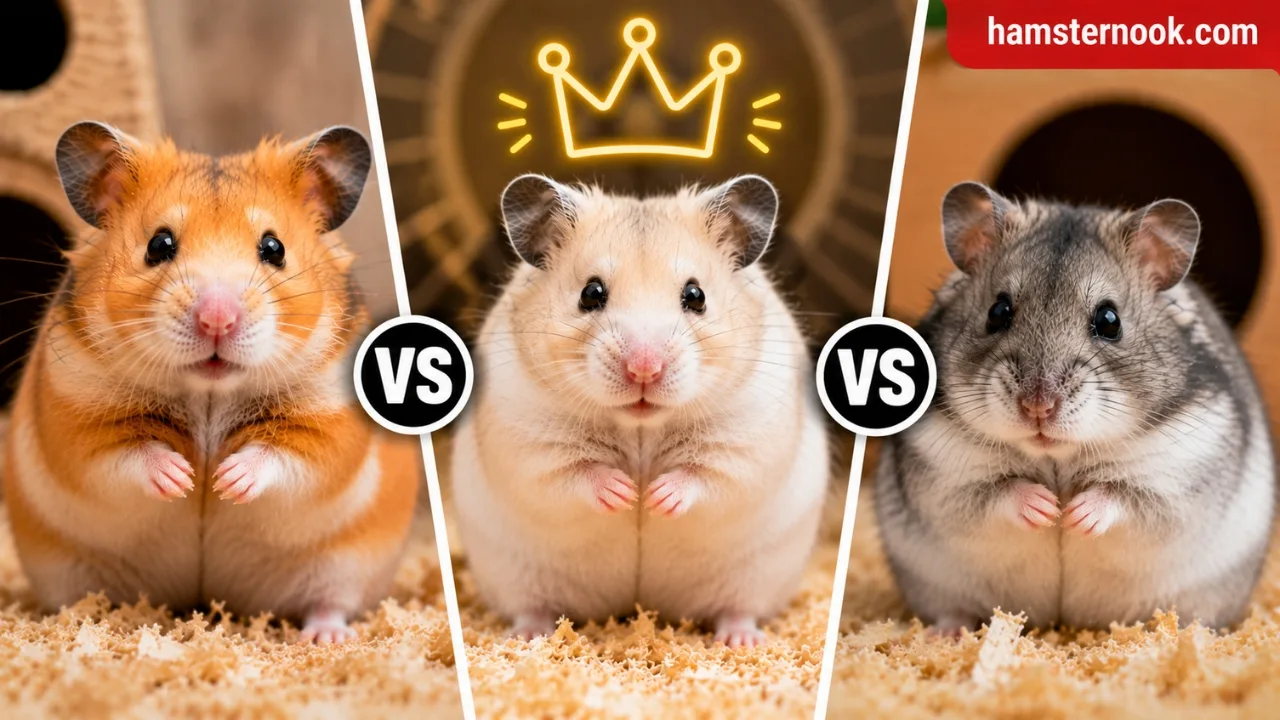
As hamsters age, they often spend more time resting and less time running or climbing.
Enclosure Size
A hamster living in a spacious enclosure with deep bedding, hides, tunnels, and enrichment has more opportunities to stay active.
Small cages can limit natural behaviors regardless of breed.
Health
An otherwise active hamster may suddenly become less energetic due to illness, injury, dehydration, or stress.
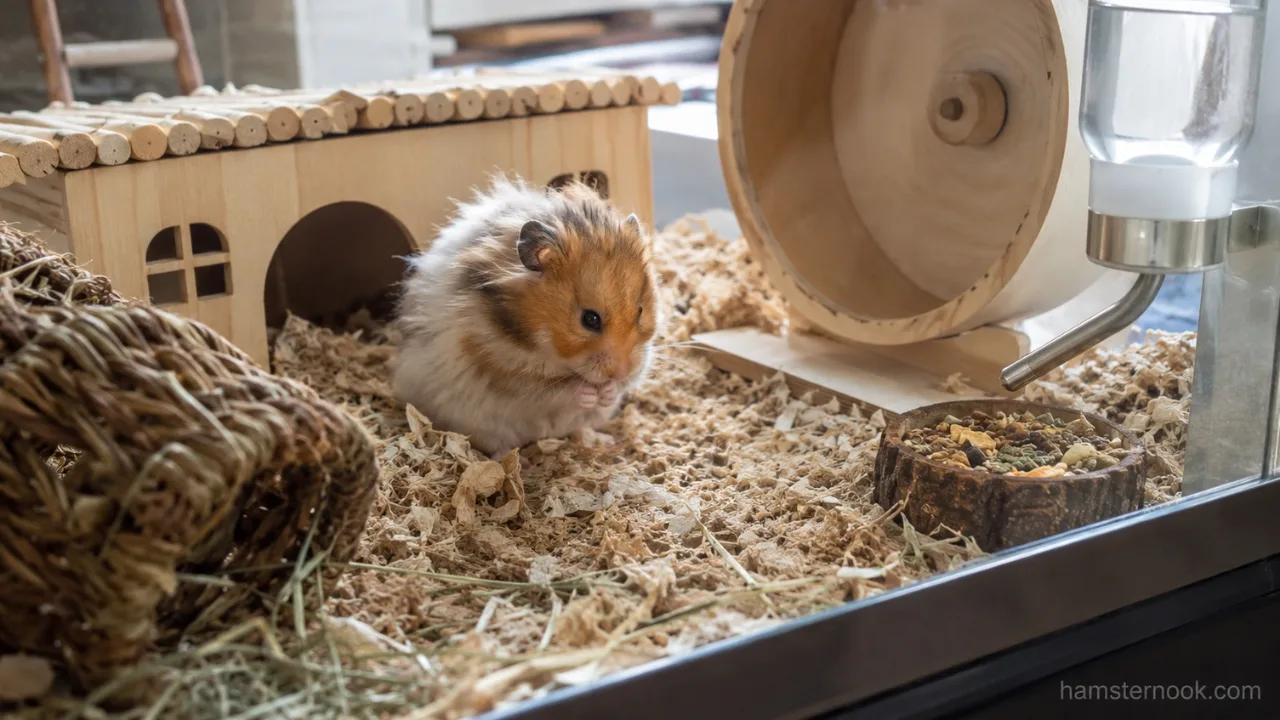
Any significant change in activity level deserves closer observation.
Energy Level Comparison of Popular Hamster Breeds
The table below provides a general comparison based on commonly observed behavior in healthy pet hamsters. Individual personalities will always vary.
| Hamster Breed | Energy Level | Best For | Exercise Needs |
|---|---|---|---|
| Roborovski | Very High | Experienced owners | Very High |
| Syrian | Moderate to High | Beginners | High |
| Chinese | Moderate | Patient owners | Moderate |
| Campbell’s Dwarf | Moderate | Owners with hamster experience | Moderate |
| Winter White Dwarf | Moderate | Beginners and intermediate owners | Moderate |
While these rankings provide a helpful overview, no two hamsters are exactly alike.
Roborovski Hamsters: The Most Active Hamster Breed
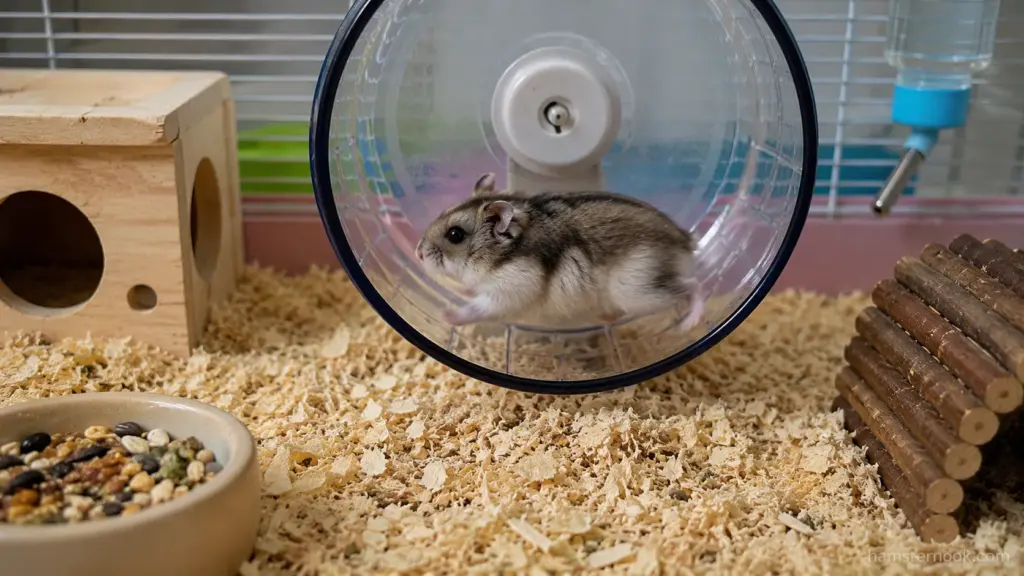
If your goal is to own the most energetic hamster possible, the Roborovski hamster usually takes the top spot.
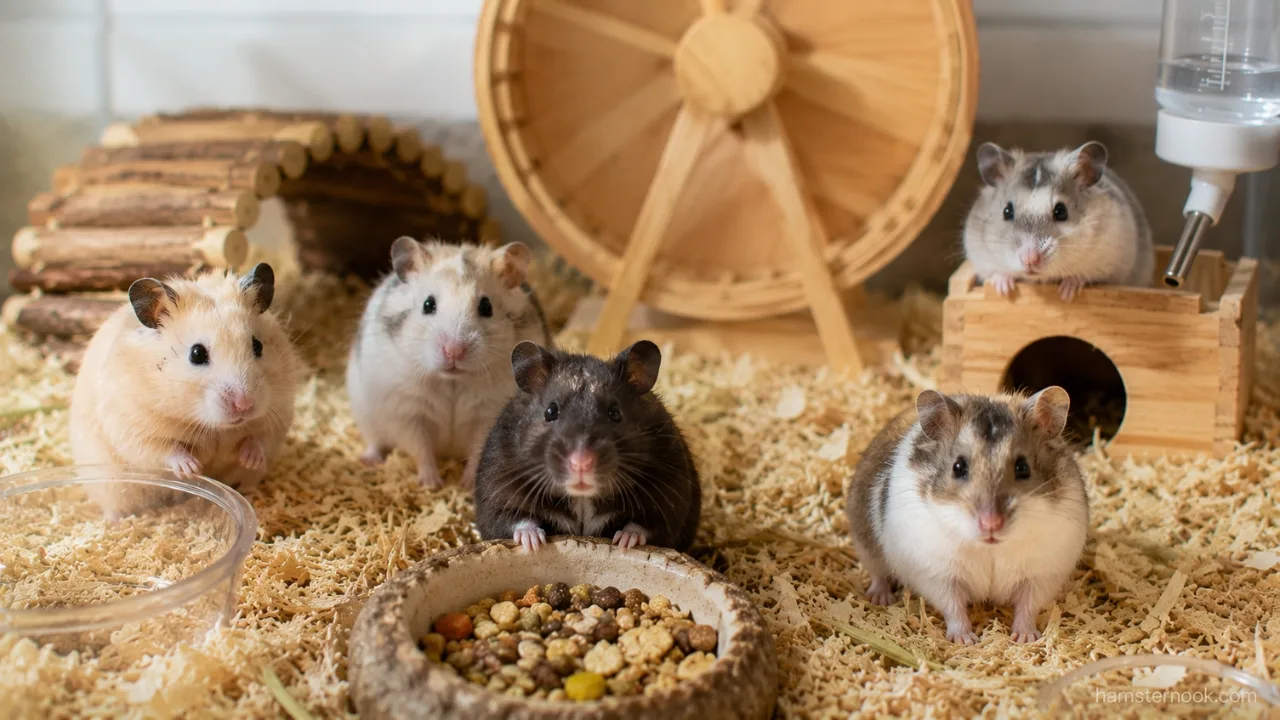
These tiny hamsters are famous for their incredible speed and endless curiosity. Many owners describe them as constantly moving whenever they’re awake.
Common characteristics include:
- Extremely fast runners
- Constant exploration
- Frequent wheel use
- Excellent climbers
- Curious personalities
Because of their speed, Roborovskis can be difficult to handle. They’re generally better suited to owners who enjoy observing natural behaviors rather than frequent handling.
Their high activity level also means they benefit from:
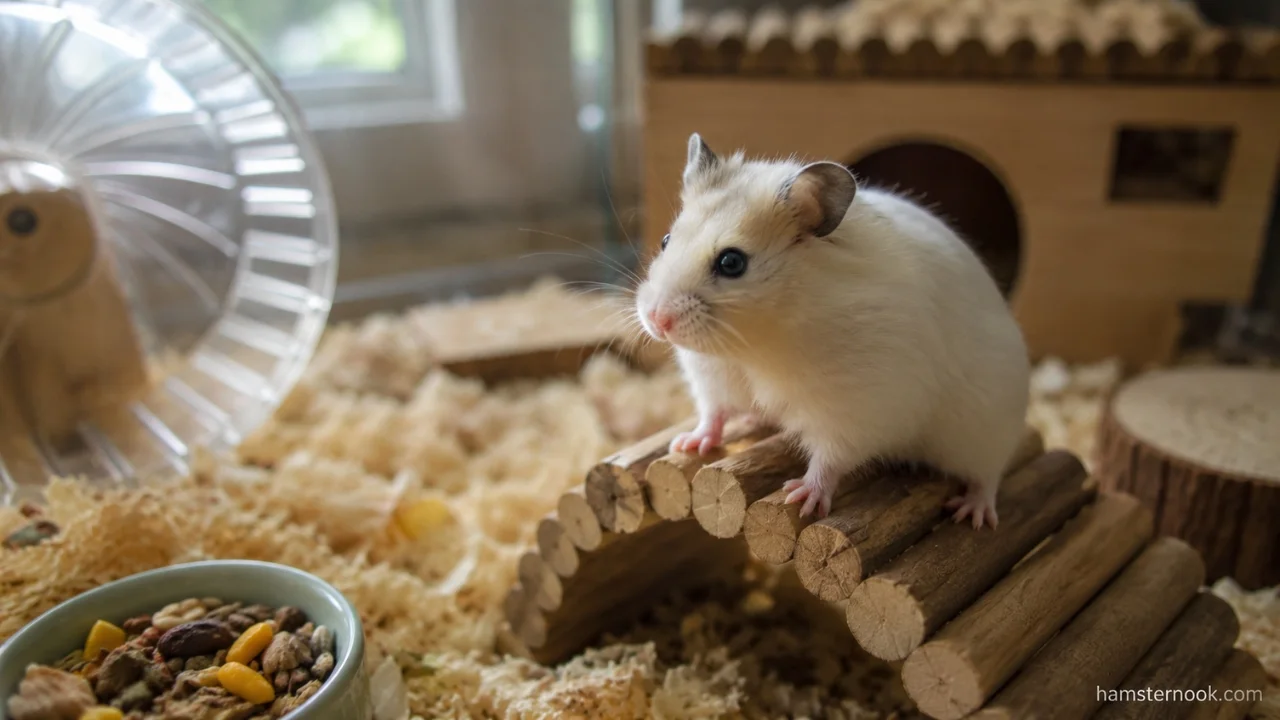
- Large enclosures
- Deep bedding
- Multiple tunnels
- Sand baths
- Plenty of enrichment
Without enough stimulation, highly active hamsters may develop boredom-related behaviors.
Syrian Hamsters: Active but More Relaxed
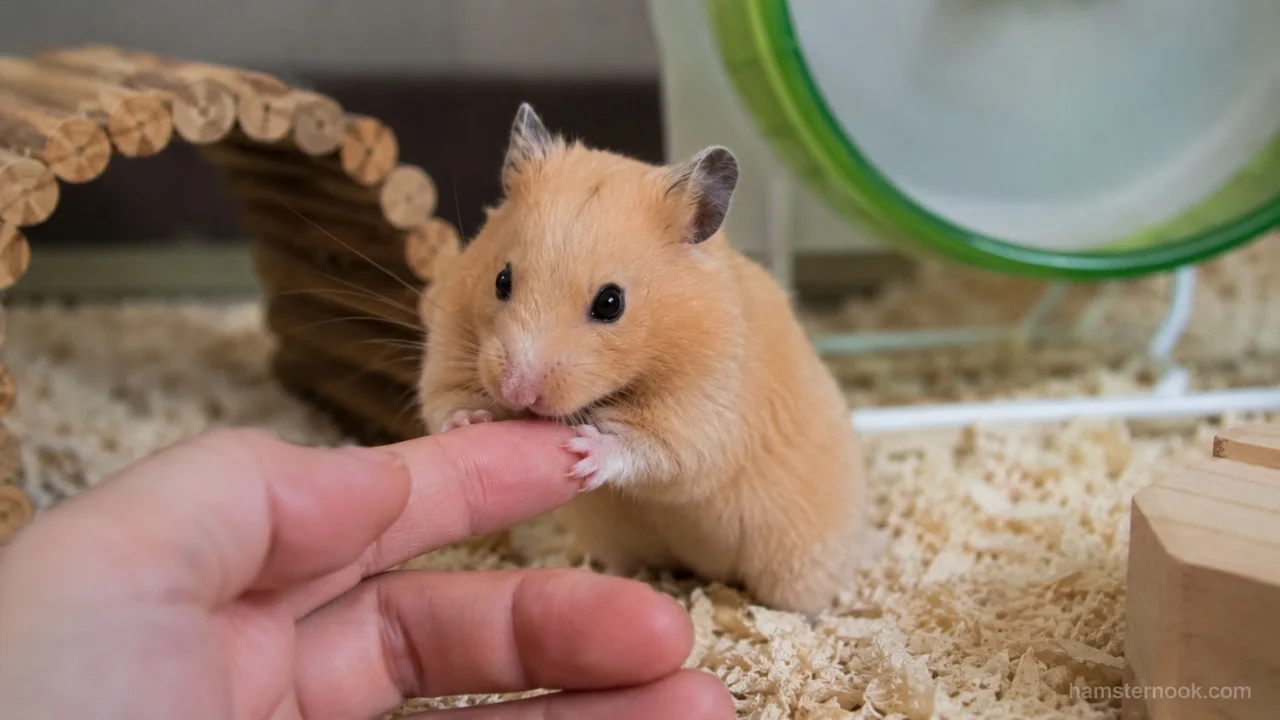
Syrian hamsters are often recommended for first-time owners because they combine curiosity with a calmer temperament.
Although they can be surprisingly active during the night, they usually move at a pace that’s easier to observe than Roborovskis.
Typical Syrian behaviors include:
- Long wheel-running sessions
- Digging burrows
- Food hoarding
- Exploring cage accessories
- Interacting with enrichment toys
Many Syrian hamsters enjoy climbing over hides, investigating new objects, and rearranging bedding inside their enclosure.
Because of their larger size, Syrians generally require larger exercise wheels than dwarf species.
Owners interested in encouraging natural activity should also read The Biggest Mistake New Hamster Owners Make in the First Week, since early stress can reduce exploration and confidence.
Chinese Hamsters: Quiet Explorers
Chinese hamsters are often misunderstood because they don’t appear as constantly active as Roborovski hamsters.
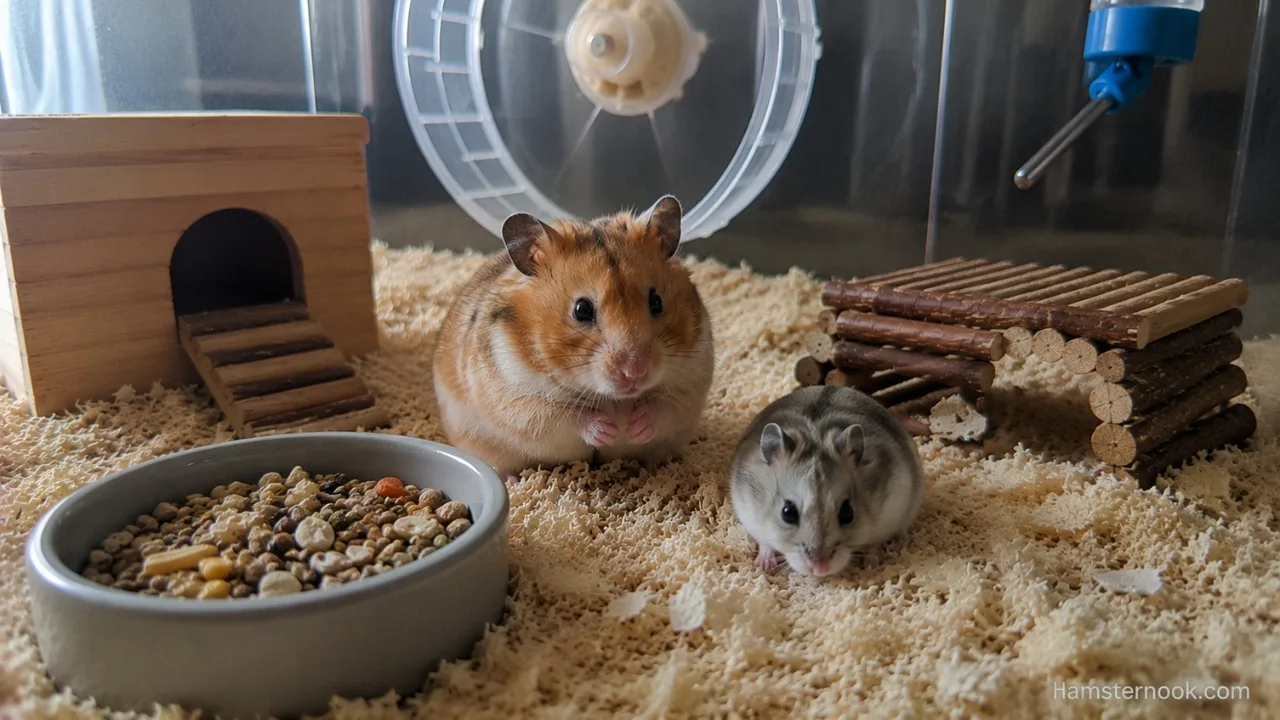
Instead of nonstop running, they tend to explore carefully and deliberately.
Their behavior often includes:
- Slow investigation of new objects
- Moderate wheel running
- Climbing opportunities
- Curious but cautious movement
Many owners appreciate this balanced personality because Chinese hamsters often spend time observing their surroundings before exploring further.
Although they’re less energetic than Roborovskis, they still require plenty of space and environmental enrichment.
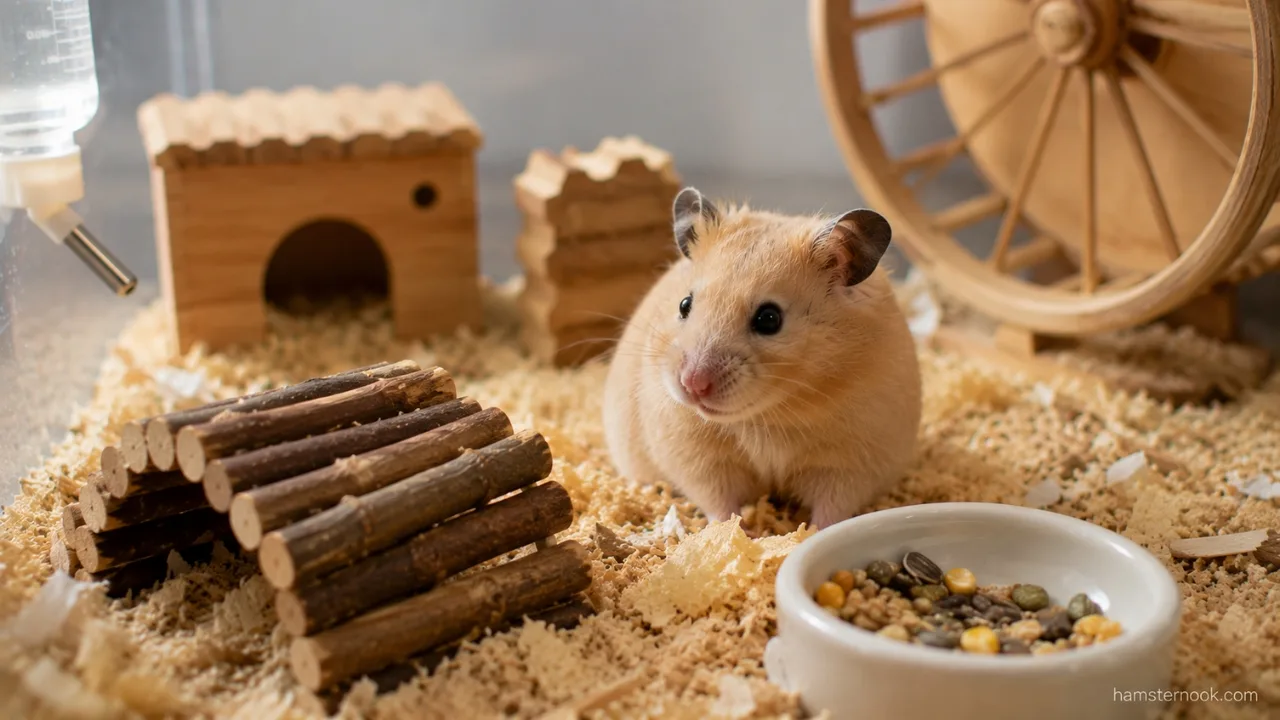
Campbell’s Dwarf Hamsters: Small but Busy
Campbell’s dwarf hamsters are active throughout their waking hours but generally display shorter bursts of movement.
Owners often notice them alternating between:
- Running
- Digging
- Grooming
- Food collecting
- Resting briefly
They remain busy throughout the night without maintaining the constant speed seen in Roborovski hamsters.
Because Campbell’s hamsters are prone to certain dietary concerns, maintaining a balanced feeding routine is especially important. For practical feeding advice, see What Should Hamsters Eat Every Day? A Complete Daily Feeding Guide, which explains how to build a balanced daily diet while avoiding common feeding mistakes.
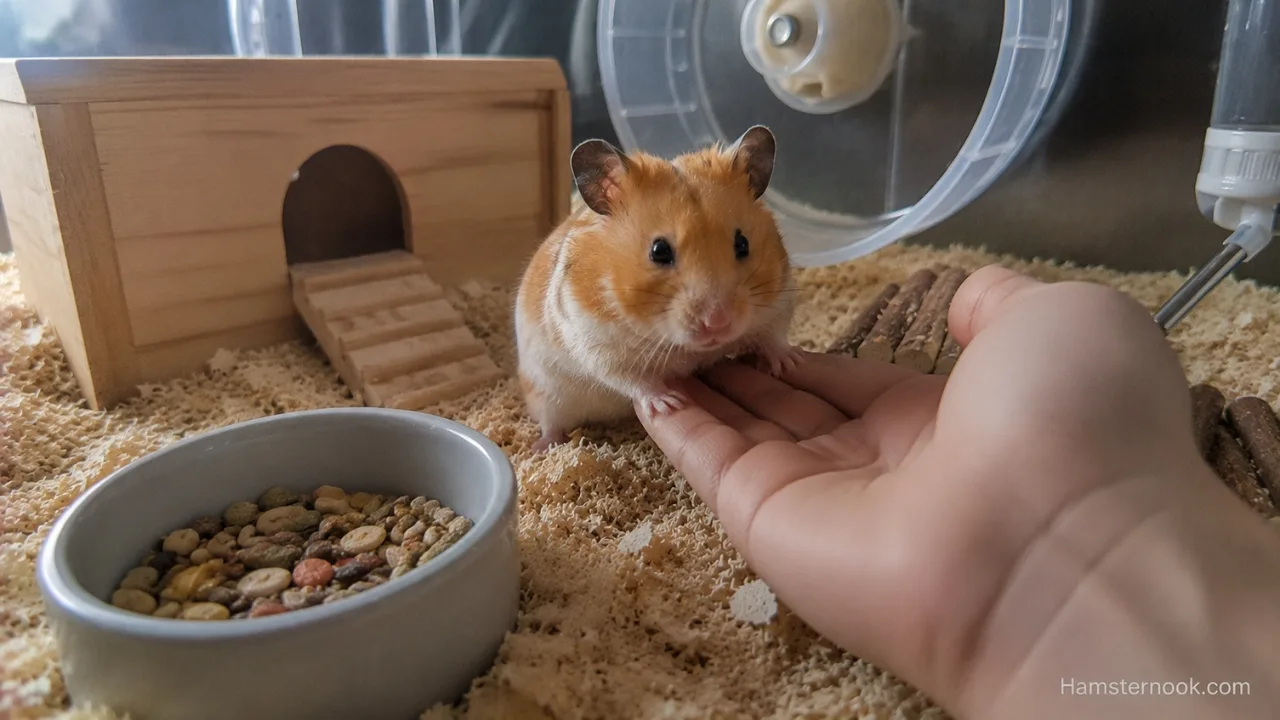
Winter White Hamsters: Moderate Energy with Seasonal Behavior
Winter White dwarf hamsters generally fall in the middle of the activity scale.
They’re active enough to enjoy running wheels and exploring tunnels but often appear calmer than Roborovskis.
Owners typically observe:
- Regular evening activity
- Frequent digging
- Nest building
- Moderate wheel use
- Curious exploration
Many Winter Whites enjoy changing the layout of their bedding by creating multiple sleeping chambers and food storage areas.
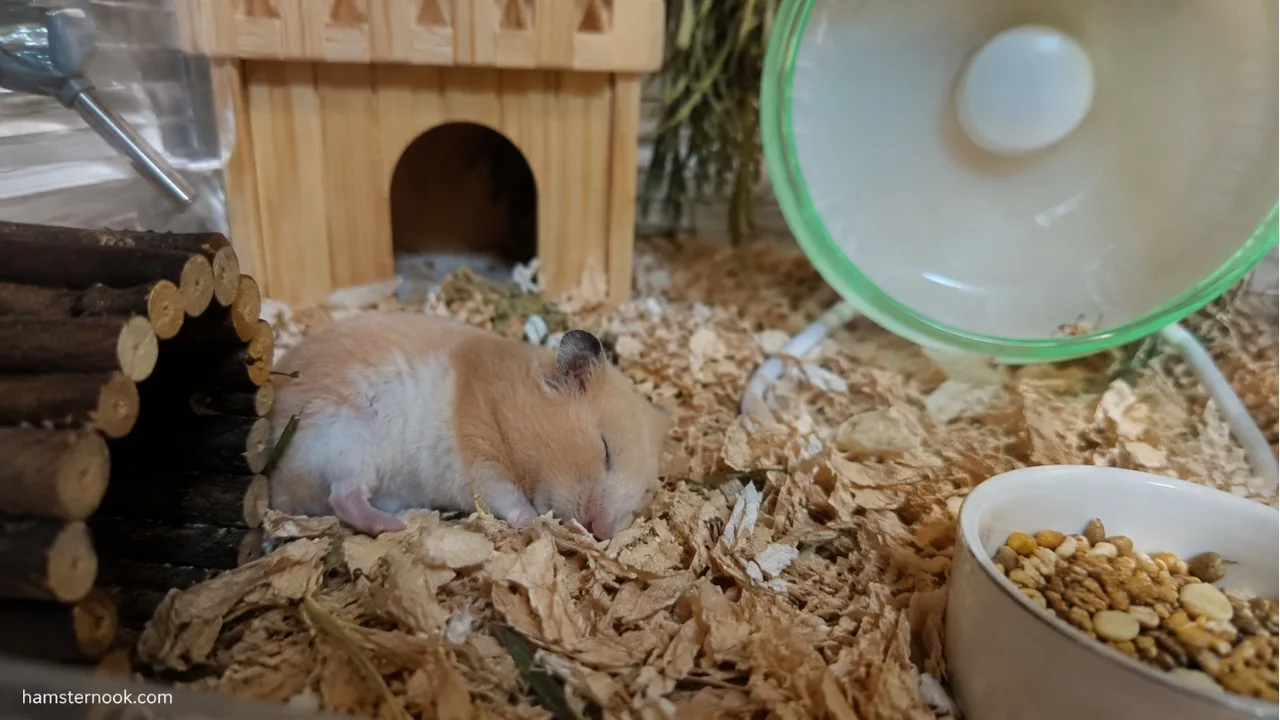
Providing a deep substrate allows them to express these natural behaviors more comfortably.
Which Hamster Runs the Most at Night?
All pet hamster species are naturally crepuscular, meaning they are most active during the evening, nighttime, and early morning hours. However, some breeds spend considerably more time running than others.
Many healthy hamsters are capable of running several miles on an exercise wheel during a single night. While exact distances vary by individual, Roborovski hamsters are widely recognized by owners and animal care organizations as the most energetic wheel users.
| Hamster Breed | Typical Night Activity | Wheel Usage |
|---|---|---|
| Roborovski | Extremely high | Very frequent |
| Syrian | High | Long running sessions |
| Chinese | Moderate | Regular use |
| Campbell’s Dwarf | Moderate to High | Frequent short sessions |
| Winter White | Moderate | Consistent nightly use |
If your hamster suddenly stops using its wheel after previously being active, don’t assume it’s simply getting older. Sudden behavior changes can sometimes indicate stress, illness, injury, or environmental problems. Articles like Can Hamsters Get Dehydrated? Signs Every Owner Should Know can help you understand one possible cause of reduced activity.

Do Active Hamsters Need Larger Cages?
Yes. A hamster with high energy needs benefits from a larger enclosure because it allows more opportunities for natural behaviors.
Active hamsters don’t just run—they also enjoy:
- Digging tunnels
- Exploring hides
- Climbing over safe objects
- Foraging for food
- Rearranging nesting materials
A spacious habitat encourages these behaviors while reducing boredom.
If you’re wondering how much space different breeds actually need, How Big Should a Hamster Cage Be? explains the enclosure features that allow active hamsters to run, dig, and explore comfortably.
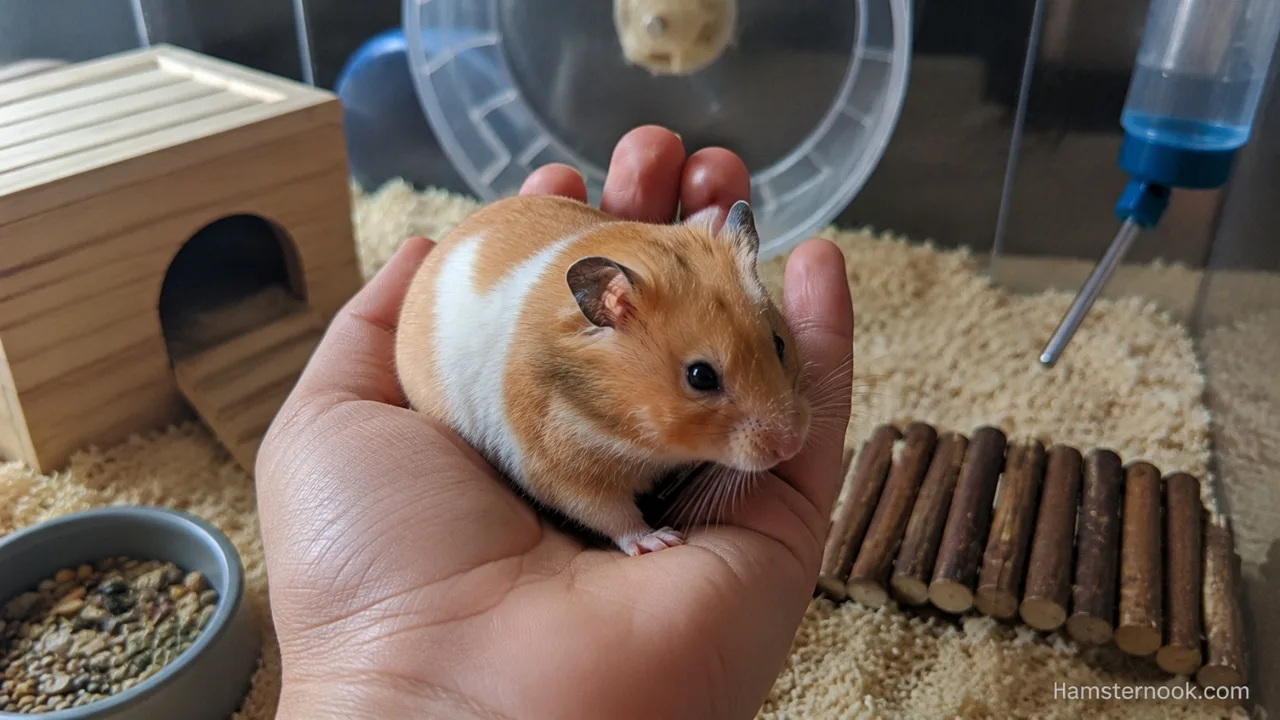
Larger Enclosures Provide More Opportunities
Benefits of a properly sized enclosure include:
- Better physical exercise
- Reduced stress
- Less bar chewing
- More natural exploration
- Improved mental stimulation
Even calmer hamster breeds appreciate additional space.
How to Keep High-Energy Hamsters Mentally Stimulated
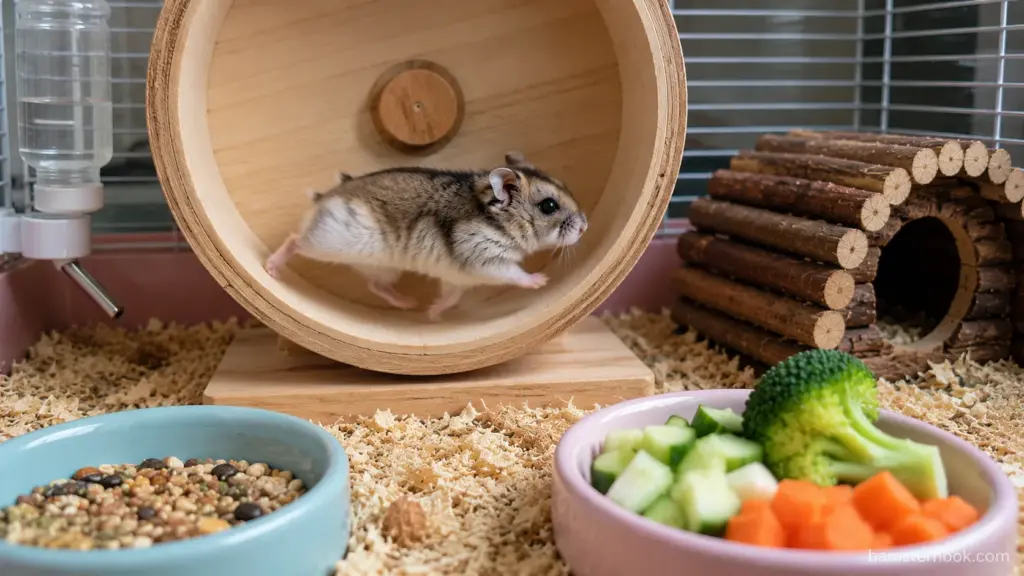
Exercise alone isn’t enough.
Wild hamsters spend much of their active time searching for food, digging burrows, and investigating new environments. Replicating these activities indoors helps prevent boredom.
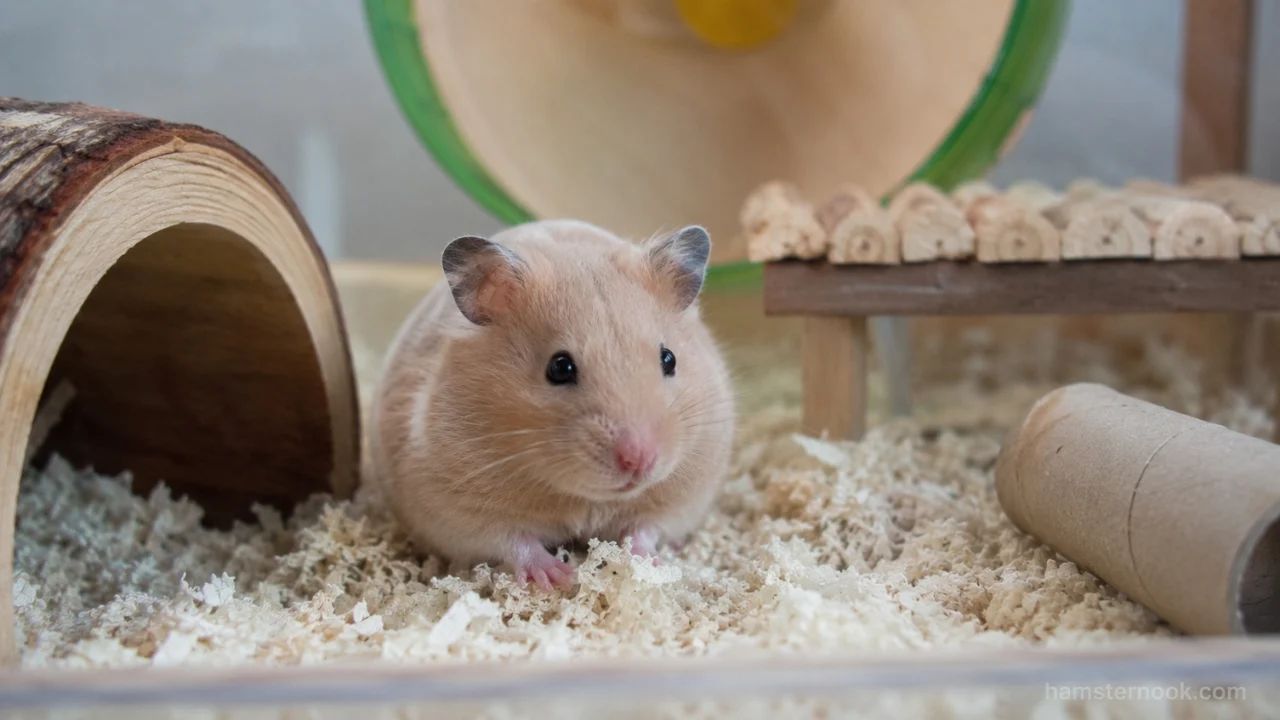
Here are some enrichment ideas:
- Deep bedding for burrowing
- Cork tunnels
- Cardboard tubes
- Multiple hideouts
- Safe chew toys
- Dig boxes
- Scatter feeding
- Natural wood bridges
Rotating enrichment items every few weeks can make the enclosure feel new again without overwhelming your hamster.
For owners setting up their first enclosure, Ultimate Hamster Care Guide for Beginners (2026) includes practical tips for creating an enriching habitat.
Common Mistakes That Reduce a Hamster’s Activity
Owners sometimes unintentionally discourage natural activity.
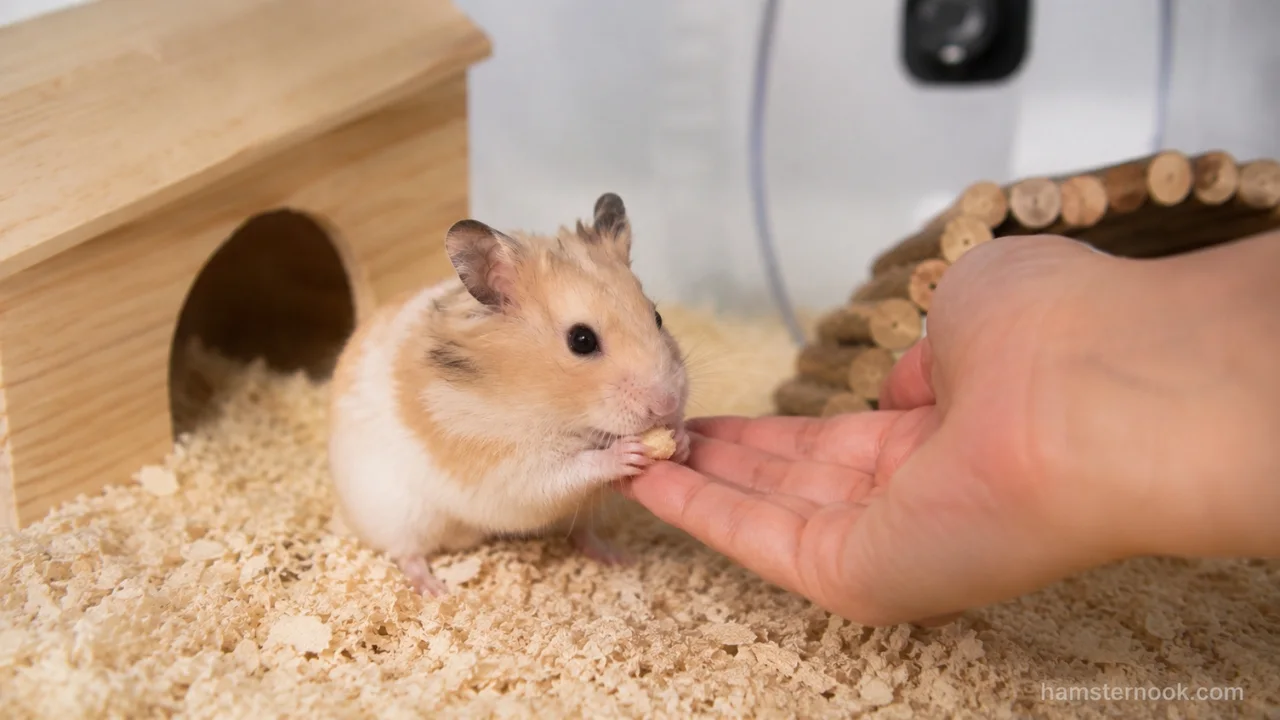
Choosing a Wheel That Is Too Small
A wheel that’s too small can cause an awkward running posture and discourage exercise.
Different hamster breeds require different wheel sizes based on their body length.
Waking a Sleeping Hamster
Hamsters naturally sleep during much of the day.
Repeatedly waking them interrupts their normal activity cycle and may lead to stress.
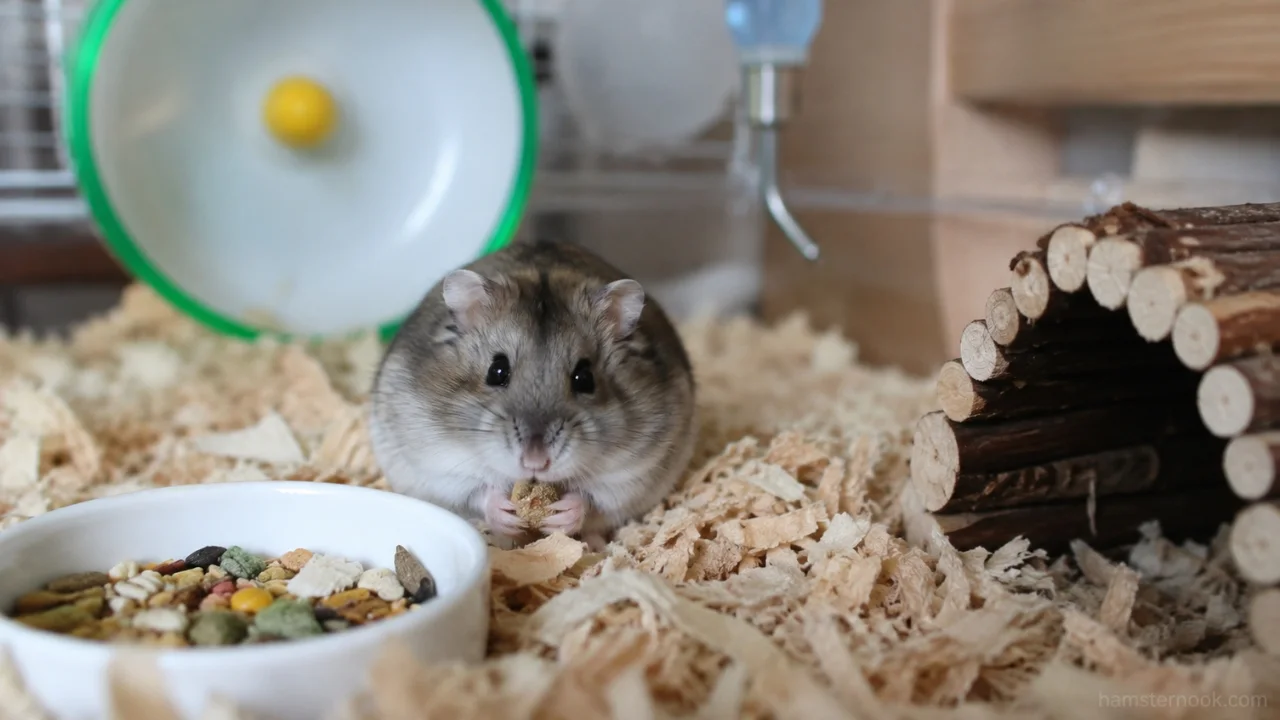
Keeping the Cage Bare
A cage containing only bedding, a wheel, and a food bowl offers very little mental stimulation.
Hamsters naturally enjoy exploring complex environments.
Feeding in Only One Bowl
Scatter feeding or hiding small portions of food encourages natural foraging behaviors.
A varied feeding routine also helps keep active hamsters engaged. If you’re looking for a complete nutrition resource, Complete Hamster Diet Guide: Best Foods, Safe Treats & Toxic Foods explains how a balanced diet supports healthy energy levels while avoiding common feeding mistakes.
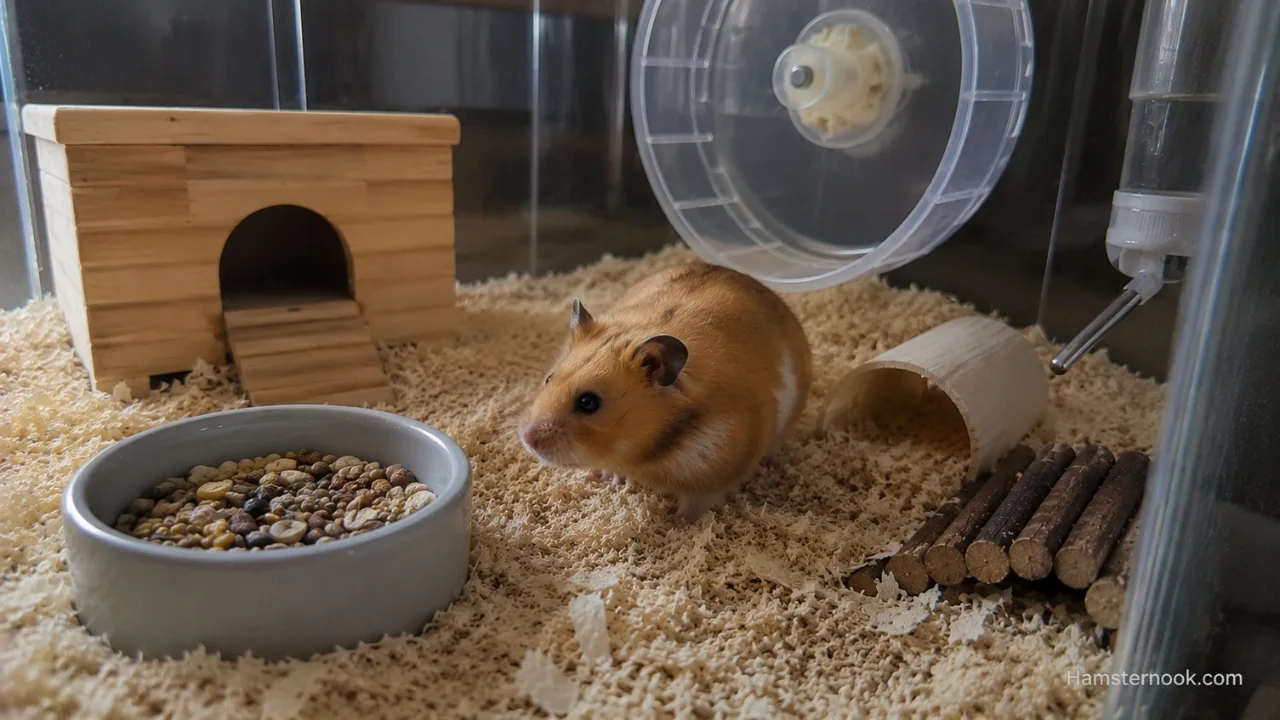
Does Diet Affect a Hamster’s Energy?
Yes, although breed remains the biggest factor.
A healthy hamster that receives balanced nutrition is generally more likely to maintain normal activity than one eating an unbalanced diet.
A complete hamster diet should include:
- High-quality hamster pellets
- Limited seed mixes
- Fresh hamster-safe vegetables
- Occasional healthy treats
- Constant access to clean water
Excessive sugary treats or high-fat snacks should remain occasional rather than daily foods.
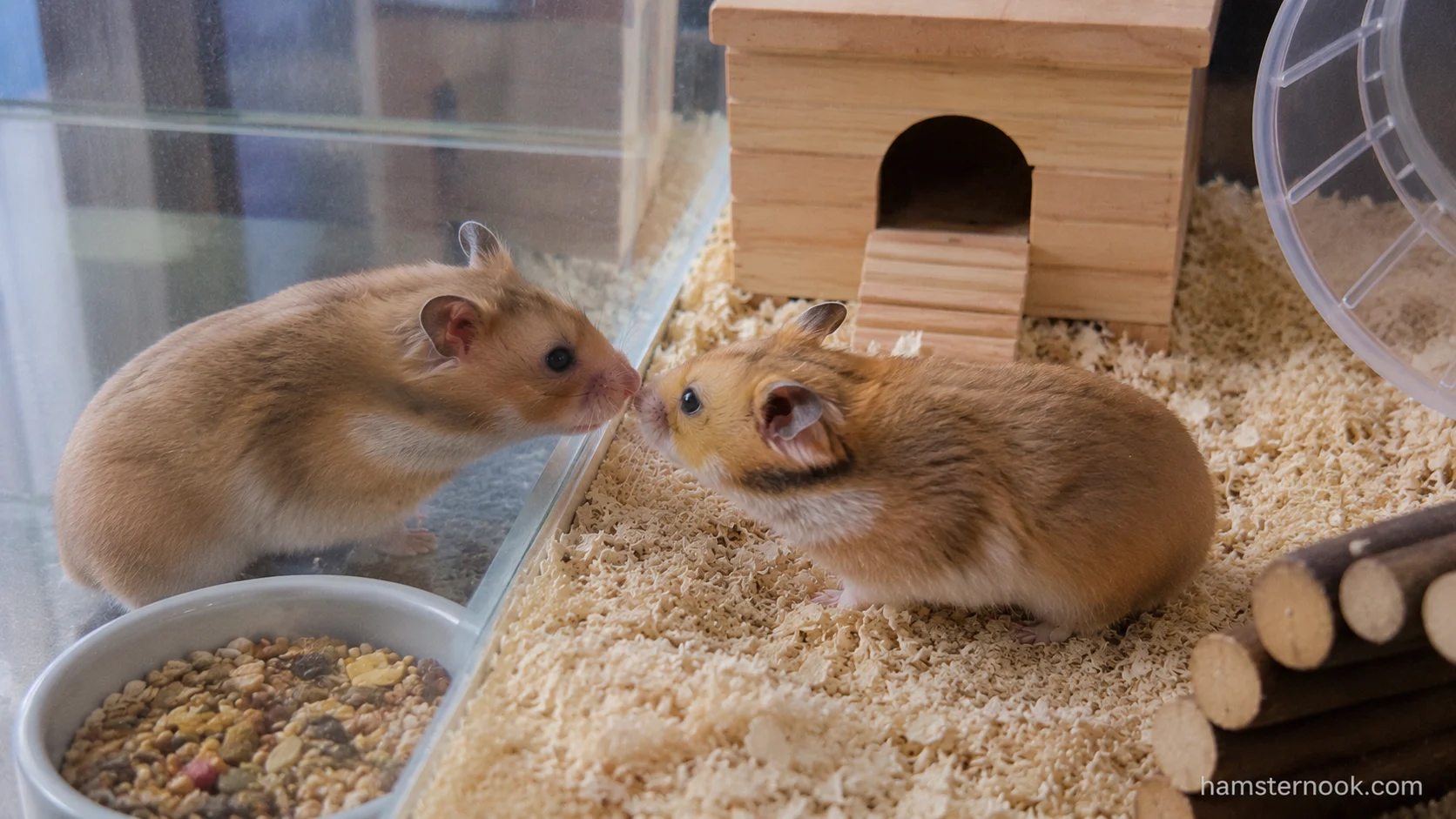
Which Hamster Breed Is Best for First-Time Owners?
Choosing the “best” breed depends on your expectations.
If you want a hamster that is energetic but generally easier to observe and handle, Syrian hamsters are often considered the best starting point.
If you enjoy watching fast-moving, highly active animals and don’t mind less handling, Roborovski hamsters are an excellent choice for owners who enjoy observing their natural behavior.
Here’s a quick comparison.
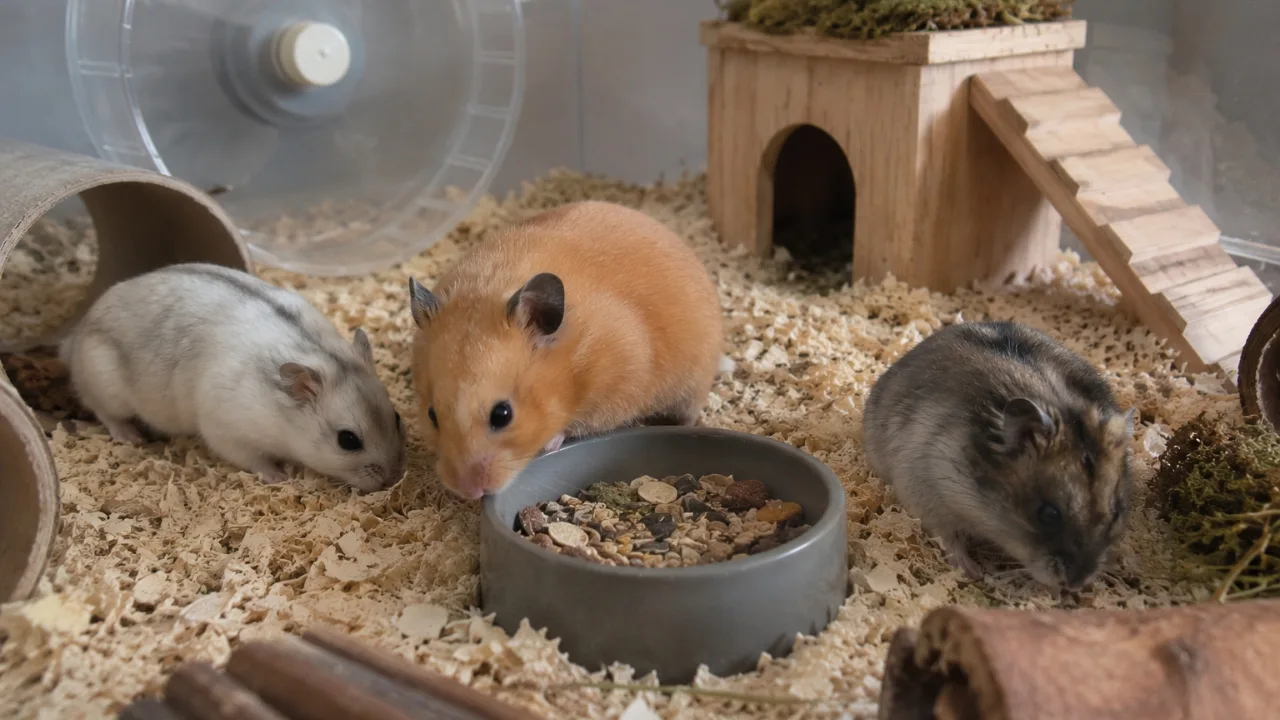
| Goal | Recommended Breed |
|---|---|
| Highest energy | Roborovski |
| Beginner-friendly | Syrian |
| Moderate activity | Winter White |
| Curious explorer | Chinese |
| Balanced activity | Campbell’s Dwarf |
No breed is perfect for everyone. Matching the hamster’s natural personality to your lifestyle is usually more important than choosing the most active species.
Does Personality Matter More Than Breed?
Absolutely.
Breed provides a helpful guideline, but every hamster has its own personality.
Two Syrian hamsters raised under similar conditions may still behave differently.
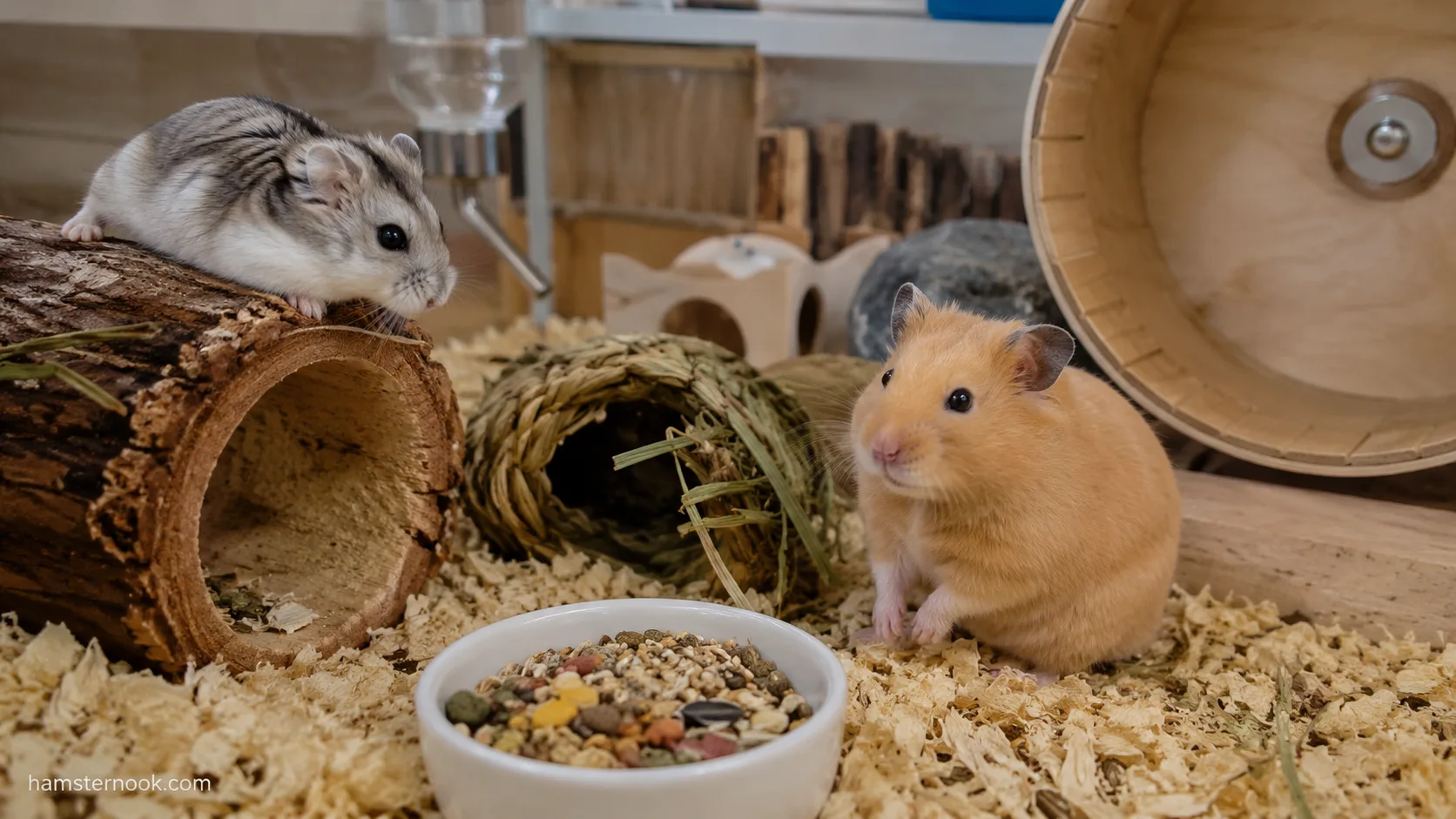
Some individuals naturally:
- Explore constantly
- Prefer digging
- Spend more time grooming
- Enjoy climbing
- Run for hours each night
Others may be calmer despite belonging to a highly active breed.
Owners should observe and adapt to their individual hamster rather than relying solely on breed stereotypes.
Signs Your Hamster Is Getting Enough Exercise
A healthy, active hamster will usually display several positive behaviors.
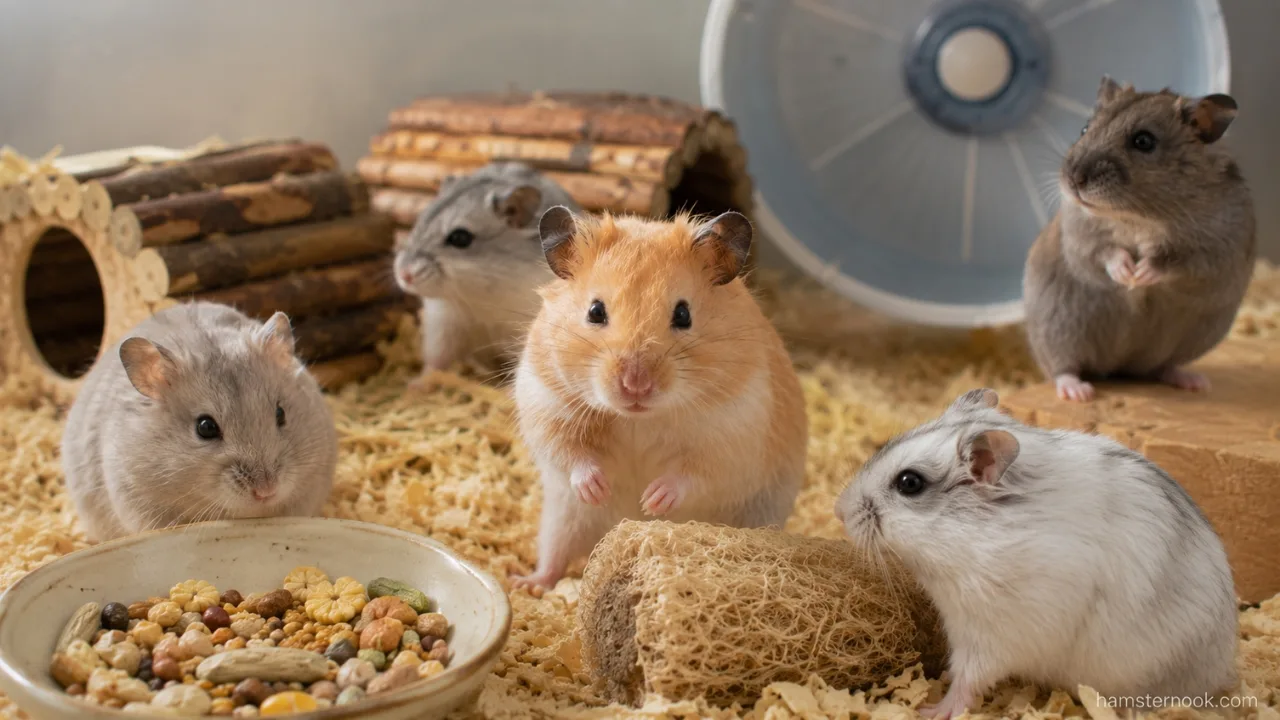
These include:
- Regular wheel use
- Curious exploration
- Digging tunnels
- Rearranging bedding
- Building nests
- Healthy appetite
- Normal body weight
Activity levels naturally fluctuate from night to night, but long-term patterns are usually more important than occasional quiet evenings.
When Reduced Activity May Be a Concern
A temporary decrease in activity isn’t always a problem.
However, owners should pay closer attention if reduced activity occurs alongside:
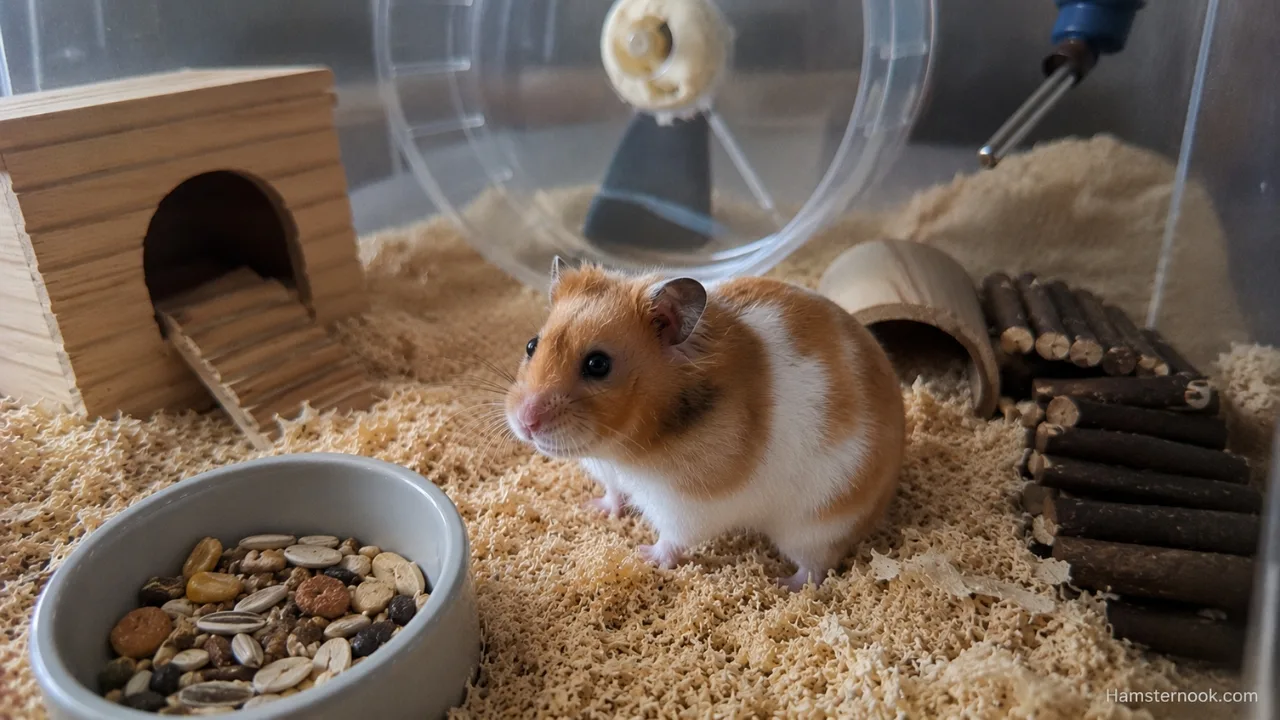
- Loss of appetite
- Weight loss
- Difficulty walking
- Labored breathing
- Persistent lethargy
- Drinking much less or much more than usual
These changes deserve careful monitoring and, if persistent, veterinary attention.
Final Verdict: Which Hamster Breed Is the Most Active?
If pure energy is the deciding factor, the Roborovski hamster is generally considered the most active pet hamster breed. Its remarkable speed, constant exploration, and frequent wheel running make it a fascinating choice for owners who enjoy observing natural behaviors.
Syrian hamsters offer a great balance between activity and manageability, making them one of the best choices for beginners. Chinese, Campbell’s dwarf, and Winter White hamsters all provide moderate activity levels with their own unique personalities and behaviors.
Ultimately, the happiest hamster is not necessarily the most active one—it is the one living in an environment that meets its natural needs. A spacious enclosure, enriching habitat, balanced diet, and patient care will help any healthy hamster stay physically active and mentally stimulated.
Frequently Asked Questions
Which hamster breed has the highest energy level?
Roborovski hamsters are widely regarded as the most active pet hamster breed due to their speed, curiosity, and frequent wheel running.
Are Syrian hamsters more active than dwarf hamsters?
It depends on the species. Syrians are generally more active than some dwarf hamsters, but Roborovski hamsters usually surpass Syrians in overall activity.
Do active hamsters need bigger cages?
Yes. Highly active hamsters benefit from spacious enclosures that allow them to run, dig, forage, and explore naturally.
Does a hamster’s age affect its activity level?
Yes. Young adult hamsters are typically the most energetic, while senior hamsters often become less active as they age.
Can a hamster become lazy?
A naturally calm hamster may appear less energetic, but sudden reductions in activity can also be linked to stress, illness, or unsuitable housing. Changes that persist should be investigated.
How can I encourage my hamster to be more active?
Provide a properly sized wheel, deep bedding, enrichment items, safe chew toys, scatter feeding opportunities, and a balanced diet. Giving your hamster uninterrupted sleep during the day also helps maintain its natural activity cycle.

Narayan Kumar is the founder and author of HamsterNook. He creates practical, research-based hamster care guides covering hamster behavior, nutrition, cage setup, enrichment, health, and everyday care. His goal is to help hamster owners make informed decisions and provide safer, healthier lives for their pets through clear, beginner-friendly information based on trusted animal care resources.