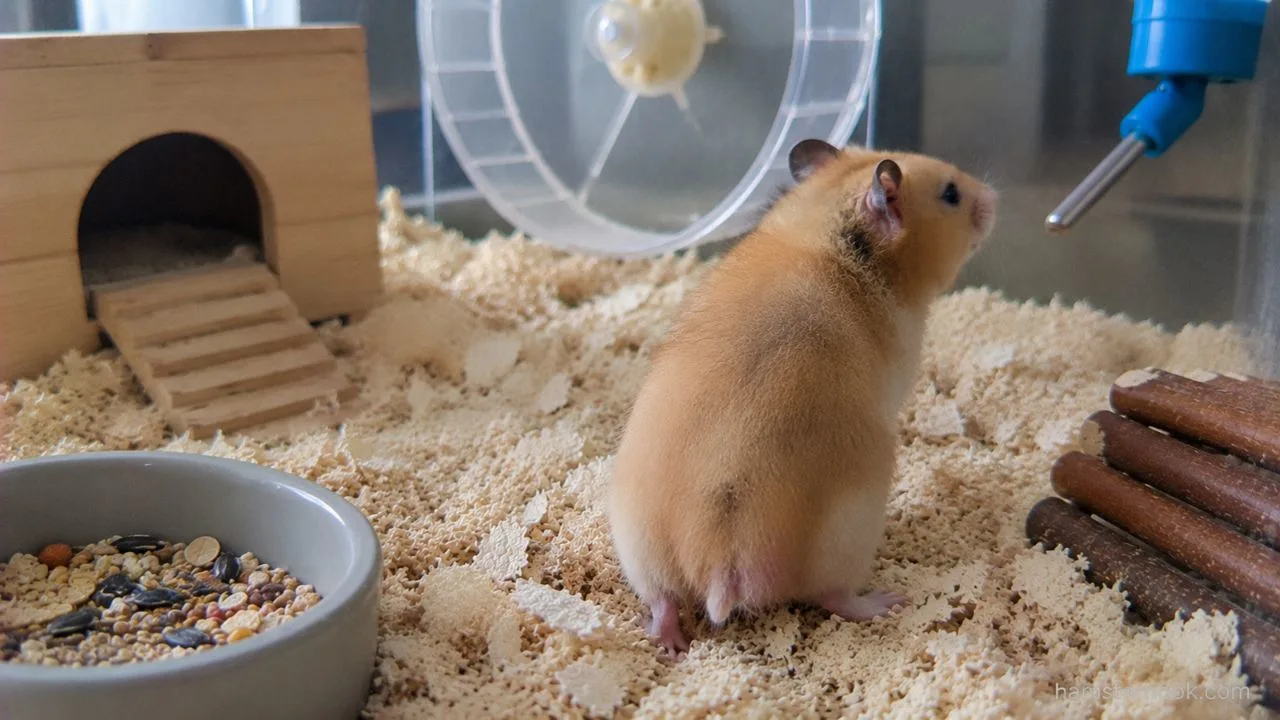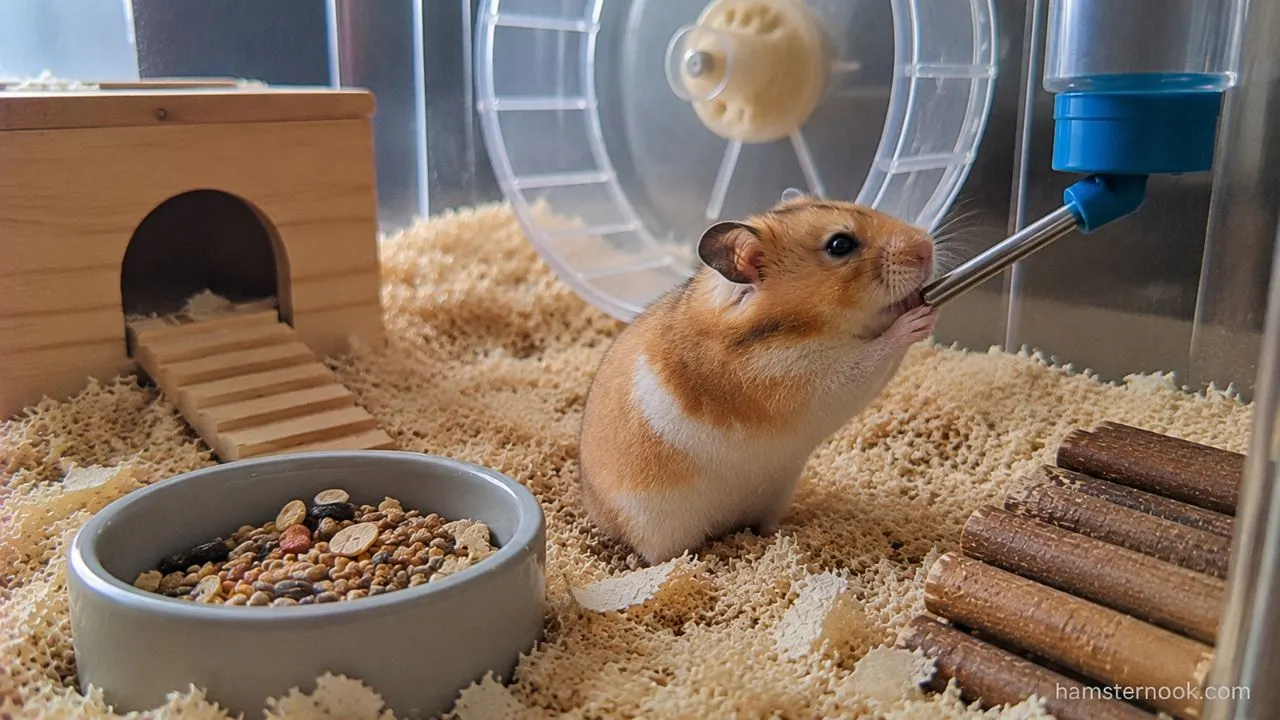
Bringing home a hamster for the first time is exciting, but the first few days are also an important adjustment period. One common mistake is trying to handle or interact with a new hamster before it has had time to settle into its new home. Giving it a quiet start and then allowing interaction to develop at its own pace can make the transition easier.
Unfortunately, that’s often where things go wrong.
The biggest mistake new hamster owners make during the first week is trying to interact with their hamster too much, too soon.
Quick Answer
One of the most common first-week mistakes is trying to handle or interact with a new hamster before it has settled into its new home. RSPCA guidance recommends leaving a new hamster for about 24 hours to get used to its surroundings, then taking things at the hamster’s own pace. After that initial period, gentle and voluntary interaction can be introduced when the hamster is awake and comfortable.

At first, giving your hamster lots of attention may seem like the best way to build a bond. However, from your hamster’s perspective, everything is unfamiliar—including the enclosure, the smells, and the people around it. Allowing time to adjust before expecting interaction usually leads to better long-term trust.
Understanding this common mistake can help you avoid unnecessary stress, prevent trust issues, and set the foundation for a happier relationship with your hamster for years to come.
Why the First Week Is Critical for a New Hamster
The first week after adoption is an adjustment period.
Whether your hamster came from a breeder, rescue, or pet store, it has experienced a major life change. During the first several days, its primary focus is not socializing—it’s figuring out whether its new environment is safe.
A hamster needs time to:
- Learn where food and water are located
- Establish sleeping areas
- Explore its enclosure
- Become familiar with household sounds
- Build confidence in its surroundings
Many behavioral problems seen in new hamsters actually stem from stress during this adjustment phase.
It’s also important to remember that settling in is rarely a straight line. A hamster may seem confident one evening and spend the next day hiding again. Small changes like these are a normal part of the adjustment process and don’t necessarily mean trust is being lost.
Recognizing stress early makes it easier to adjust your care routine during the settling-in period. Our 7 Signs You’re Accidentally Stressing Your Hamster (Without Even Realizing It) guide explains common behaviors that can indicate your hamster is becoming stressed.

The Most Common First-Week Mistake: Forcing Interaction
New owners often assume that handling a hamster immediately will help it become tame faster.
In reality, the opposite is often true.
Many people start by:
- Picking the hamster up repeatedly
- Waking it to play
- Allowing multiple family members to hold it
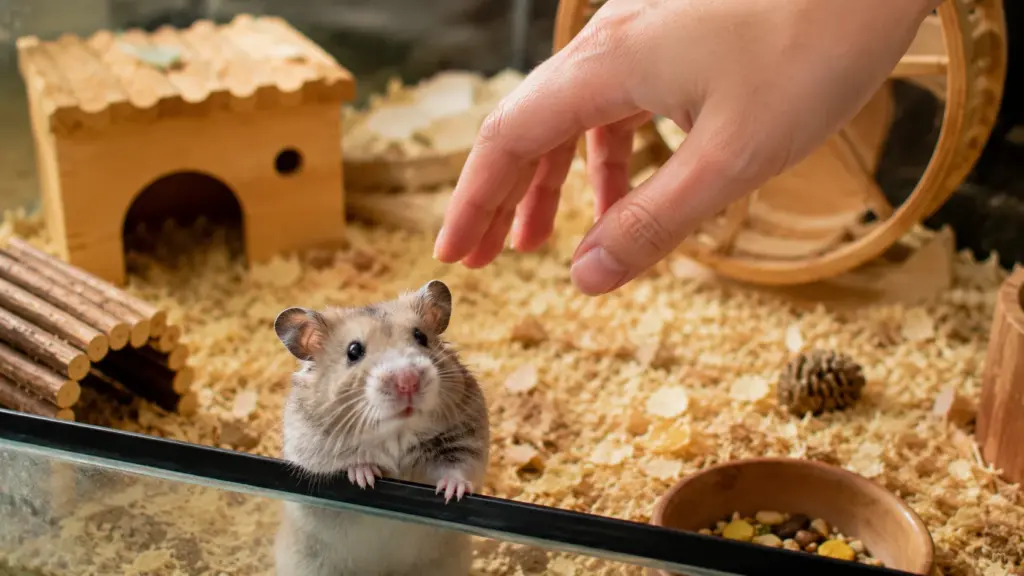
- Constantly reaching into the enclosure
- Taking it out for long periods
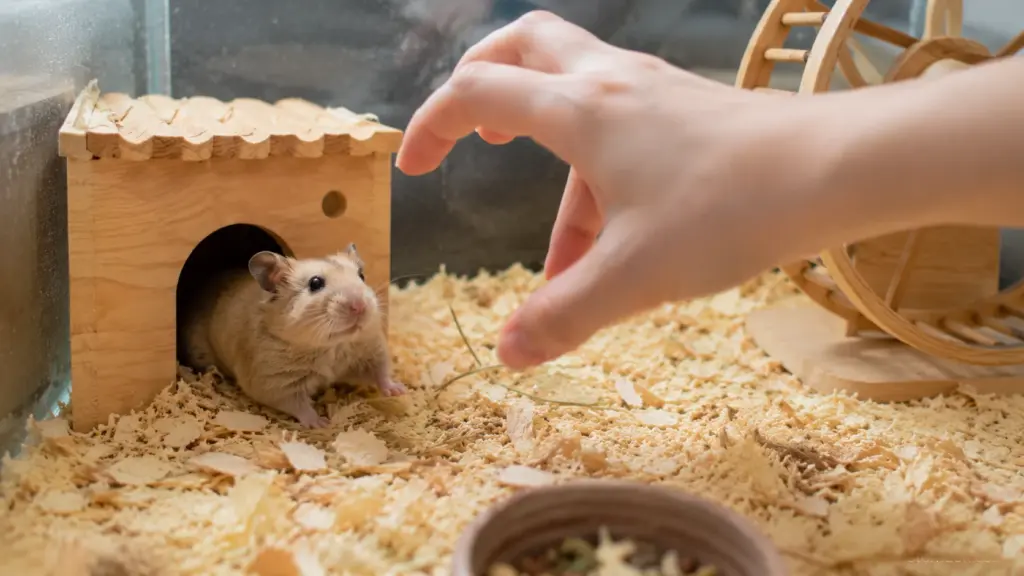
To a hamster, these actions can feel frightening rather than friendly.
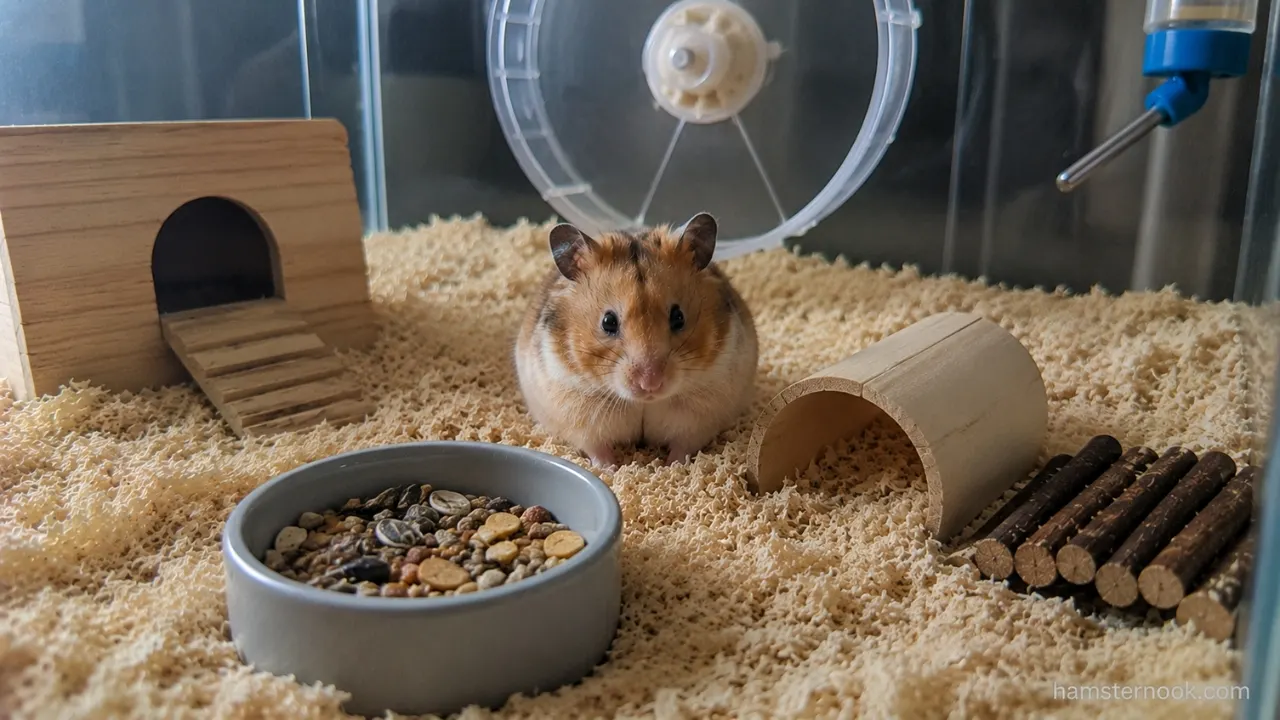
Because hamsters are prey animals, their instinct is to be cautious around anything unfamiliar. Large hands entering their territory may trigger fear responses rather than trust.
What a New Hamster Experiences During the First Few Days
Imagine being moved into a completely unfamiliar house where everything smells different and strangers constantly try to touch you before you’ve had a chance to settle in.
That’s similar to what many hamsters experience during their first week.
Instead of focusing on bonding, they’re trying to answer basic survival questions:

- Is this place safe?
- Where can I hide?
- Are these humans dangerous?
- When is it safe to come out?
Giving your hamster time to answer those questions naturally can make a huge difference in how quickly trust develops.
New Owner Expectations vs Reality
| Common Expectation | What Usually Happens |
|---|---|
| My hamster will enjoy being held immediately | Most hamsters need time to feel secure first |
| Daily handling builds trust faster | Forced handling often increases fear |
| A hiding hamster is unhappy | Hiding is normal during adjustment |
| My hamster should be active all day | Most hamsters are naturally active in the evening and at night |
| Picking up a nervous hamster helps it get used to me | It may actually reinforce fear |
Understanding these differences helps prevent frustration during the first week.
Why New Hamsters Are More Vulnerable to Stress
A newly adopted hamster is dealing with multiple changes at once. Everything is unfamiliar, including the enclosure, bedding, scents, sounds, lighting patterns, and people nearby.
Because hamsters are naturally prey animals, their first instinct is usually caution rather than curiosity. This is why behaviors such as hiding, freezing, or avoiding interaction are often normal adjustment responses rather than signs that something is wrong.
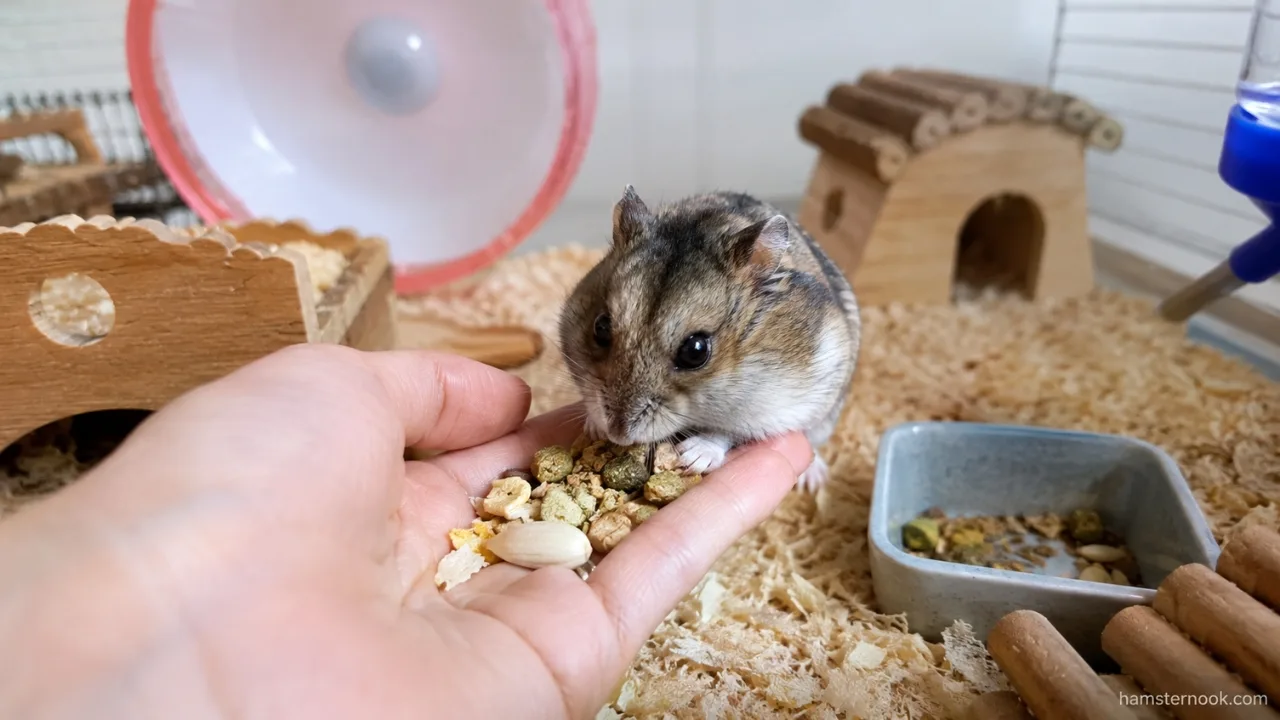
Understanding this natural behavior helps owners avoid misinterpreting fear as stubbornness or aggression.
Warning Signs Your New Hamster Is Feeling Stressed
A stressed hamster may show subtle or obvious behavioral changes.
Watch for signs such as:
| Behavior | Possible Meaning |
|---|---|
| Constant hiding | Feeling insecure |
| Freezing when approached | Fear response |
| Running away from hands | Lack of trust |
| Sudden biting | Defensive behavior |
| Refusing treats | High stress levels |
| Excessive sleeping outside normal hours | Adjustment-related stress |
| Staying in one corner | Feeling unsafe |
These behaviors do not automatically mean something is wrong medically. In many cases, they improve once the hamster settles into its environment.
How Long Should You Leave a New Hamster Alone?
One of the best things you can do is practice patience.
Most hamsters benefit from a few days of minimal disturbance after arriving home.
That doesn’t mean ignoring your hamster completely. You should still:
- Refresh food and water daily
- Observe behavior
- Ensure the enclosure remains clean
- Speak softly near the cage
What you should avoid is unnecessary handling.

A simple timeline looks like this:
| Stage | Recommended Approach |
|---|---|
| First 24 hours | Provide food, water, hiding places, and a quiet environment while allowing your hamster to settle |
| After the first day | Let your hamster become familiar with your presence and observe whether it approaches voluntarily |
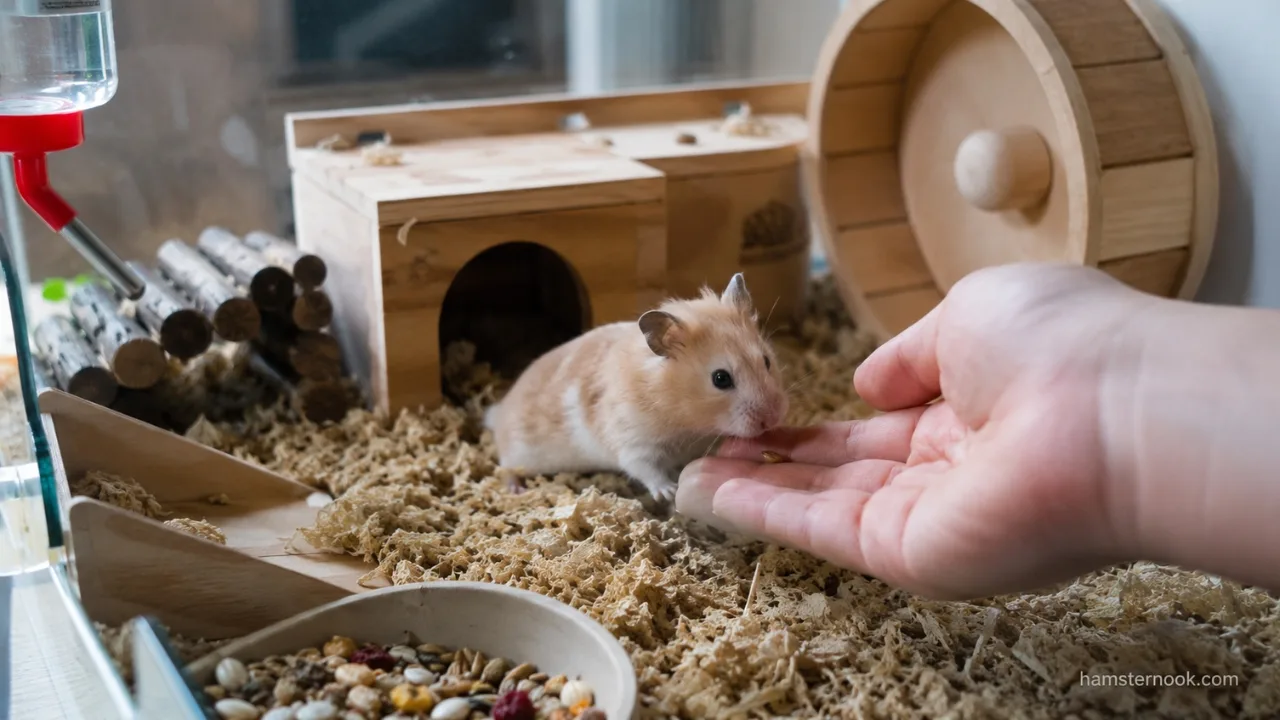
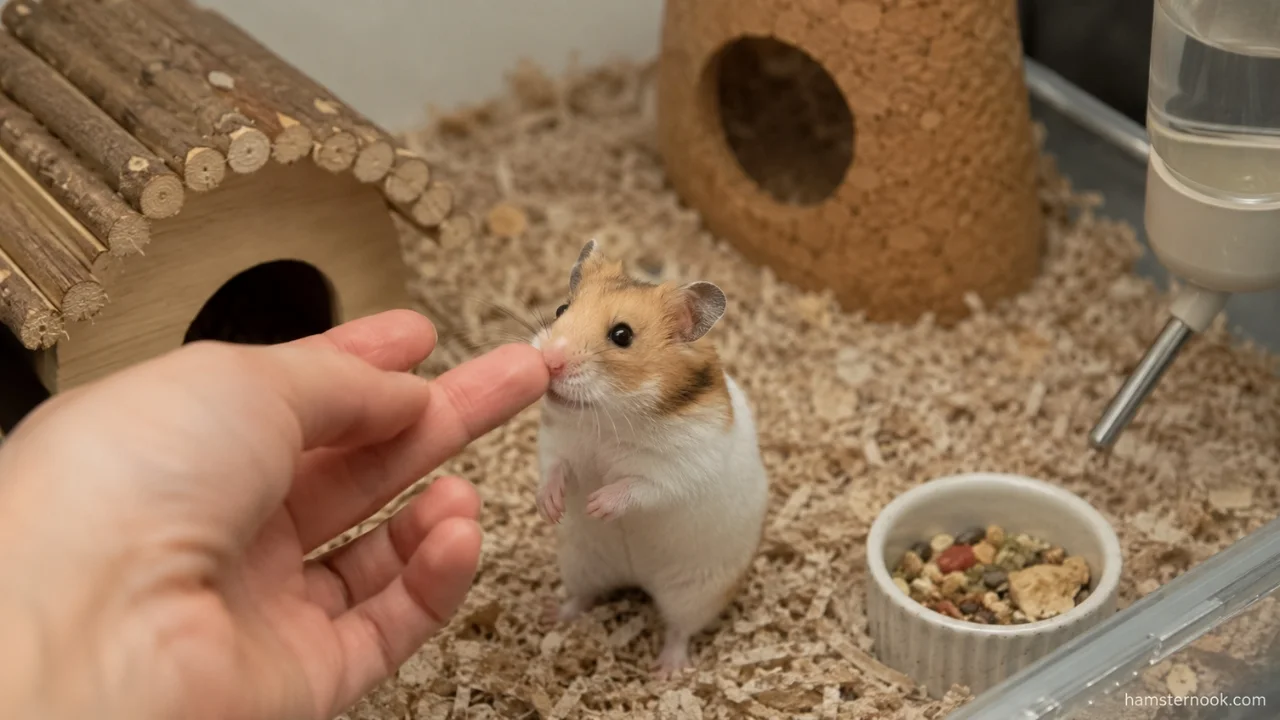
| When comfortable | Offer a small treat from your hand and allow your hamster to investigate you without pressure |
| Ready for handling | Allow your hamster to climb onto your hands before gradually introducing brief, gentle handling |
Every hamster is different. Some become comfortable quickly, while others need much longer. Rather than following a fixed number of days, use your hamster’s behavior to decide when to progress.
Rather than counting the exact number of days, pay attention to your hamster’s behavior. A hamster that eats normally, explores its enclosure, and no longer rushes to hide whenever you approach is usually becoming more comfortable with its surroundings.
Small Daily Routines Build Trust Faster
Trust is often built through small, predictable routines rather than long handling sessions. Refilling food at the same time each evening, speaking softly when approaching the enclosure, and moving slowly around the cage all help your hamster learn that your presence is safe and consistent.

Better Ways to Build Trust During the First Week
If handling isn’t the answer, what should you do instead?
Let Your Hamster Observe You
Spend time near the enclosure without constantly reaching inside.
Your hamster will gradually learn:
- Your voice
- Your scent
- Your movements
- Your daily routine
This familiarity helps reduce fear.

Offer Treats Without Pressure
Once your hamster seems more relaxed, offer a small treat from your hand.
The goal isn’t to make contact immediately.
The goal is to let the hamster choose to approach you.
A hamster that chooses to approach you usually becomes confident far faster than one that feels cornered or pressured into interaction.

Watching for voluntary approach, relaxed behavior, and other signs of trust can help you judge when to progress. Our 10 Signs Your Hamster Trusts You guide explains what those behaviors can look like.
Respect Your Hamster’s Schedule
Hamsters are not daytime pets.
Many owners accidentally stress their hamster by trying to interact during sleeping hours.
Interacting with your hamster during its natural active hours makes trust-building much easier. Our When Are Hamsters Most Active? guide explains when most hamsters are naturally awake and ready to explore.
Other First-Week Mistakes That Can Increase Stress
While early handling is the biggest issue, several other mistakes are surprisingly common.
Constantly Rearranging the Cage
Owners often keep adjusting toys, hides, and accessories because they’re trying to create the “perfect setup.”
Unfortunately, frequent changes prevent a hamster from becoming familiar with its environment.
Allow the enclosure to remain stable whenever possible.

Deep Cleaning Too Soon
A spotless cage sounds like a good thing, but removing all familiar scents can be stressful.
During the first week, stick to basic spot cleaning unless a larger cleanup is genuinely necessary.
Choosing the Wrong Cage Location
A cage placed in a noisy or high-traffic area can slow the adjustment process.
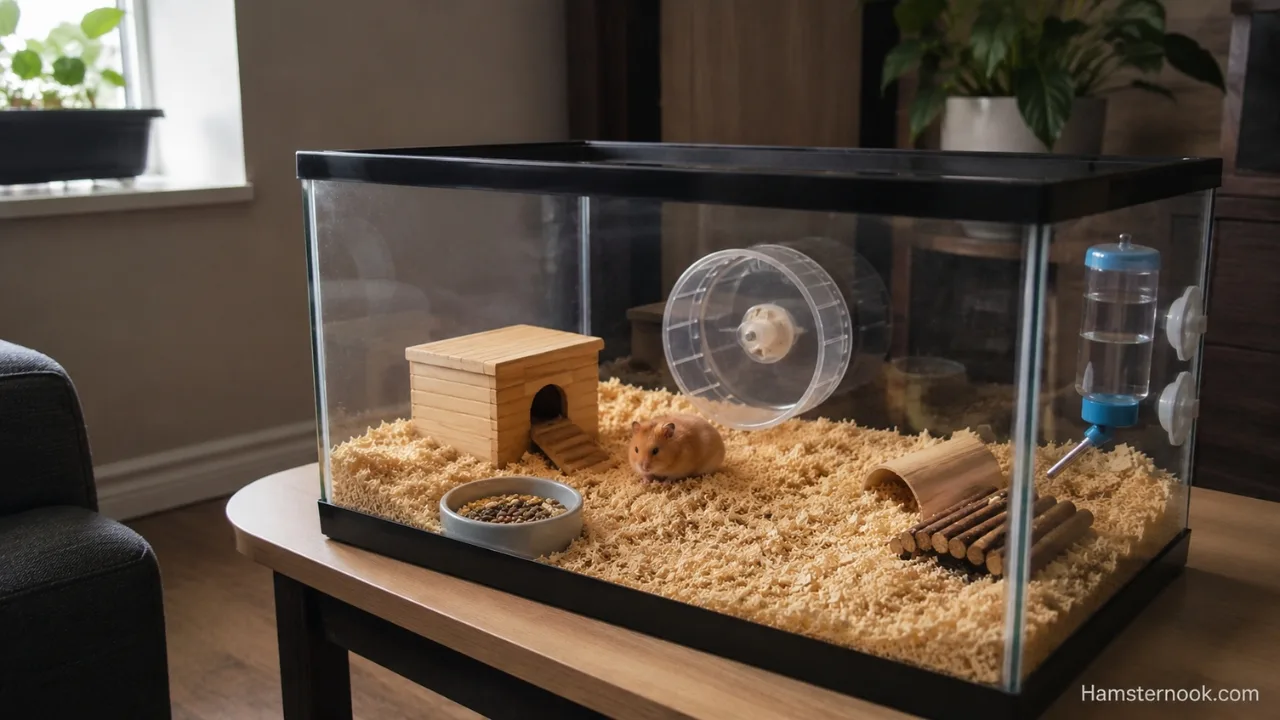
The location of your hamster’s enclosure can have a surprisingly large impact on stress levels and confidence. A Best Hamster Cage Setup for Beginners: Size, Bedding & Essentials guide can help you create a calmer environment from the start.

Offering Too Many Treats
It’s tempting to use treats as a shortcut to bonding.
However, excessive treats can lead to:
- Weight gain
- Selective eating
- Poor nutrition
Treats should support trust-building, not replace a balanced diet.
Treats can be useful during trust-building, but they should remain small and occasional. Our Best Hamster Treats: 10 Healthy & Safe Treats They Love guide covers suitable options and sensible treat portions.

Signs Your Hamster Is Settling In Successfully
A hamster that is becoming comfortable will gradually start showing positive behaviors.
Look for signs such as:
- Exploring the enclosure confidently
- Using its exercise wheel
- Accepting treats
- Grooming regularly
- Eating and drinking normally
- Showing curiosity when you approach
These behaviors often appear gradually rather than all at once.
Patience is important because every hamster adjusts at its own pace.
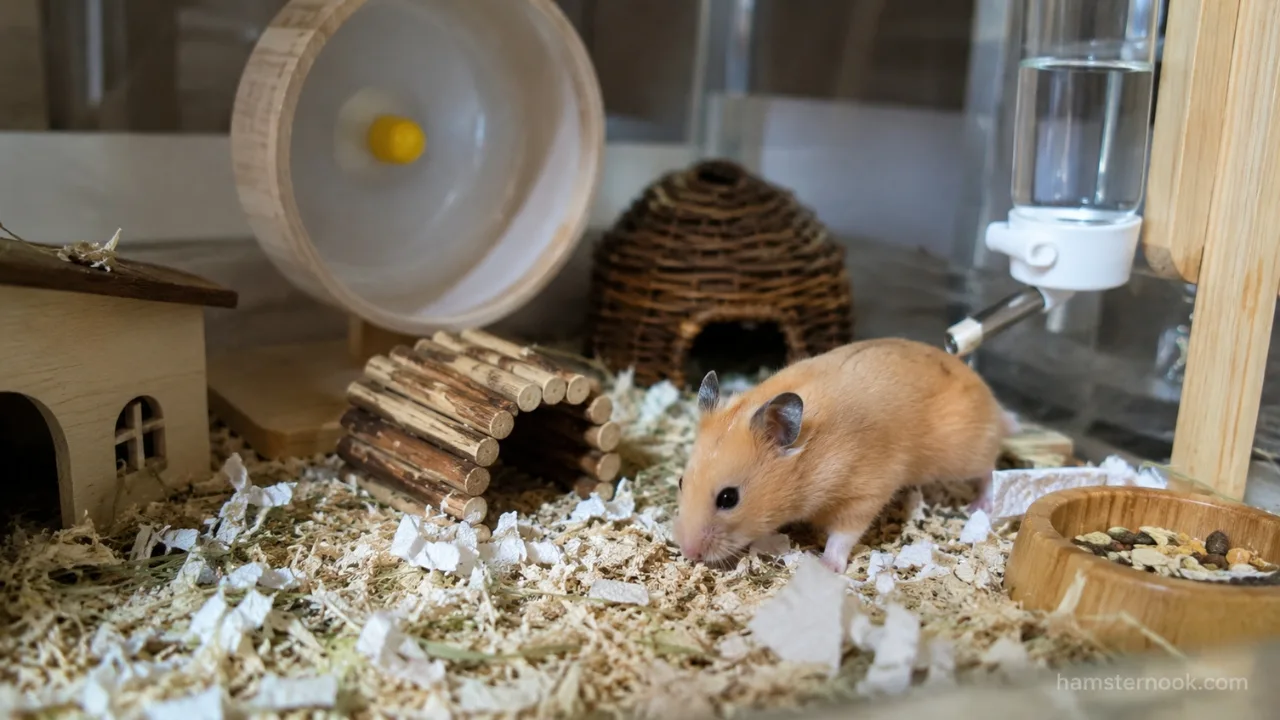
Try to judge progress by looking for gradual improvements rather than dramatic changes. A hamster that becomes slightly more curious each day, spends more time outside its hideout, or begins accepting treats calmly is usually moving in the right direction, even if it still seems cautious.
Can Early Handling Cause Long-Term Trust Problems?
In some cases, yes.
A hamster that repeatedly experiences stressful handling during its adjustment period may become more cautious around hands, avoid interaction, or react defensively when approached.
This does not mean trust cannot be rebuilt, but it often takes longer than if the hamster had been allowed to settle in first. Creating positive experiences from the beginning is usually easier than correcting fear-based behaviors later.
When Should You Start Handling Your Hamster?
Instead of using a specific number of days as a rule, focus on your hamster’s behavior.
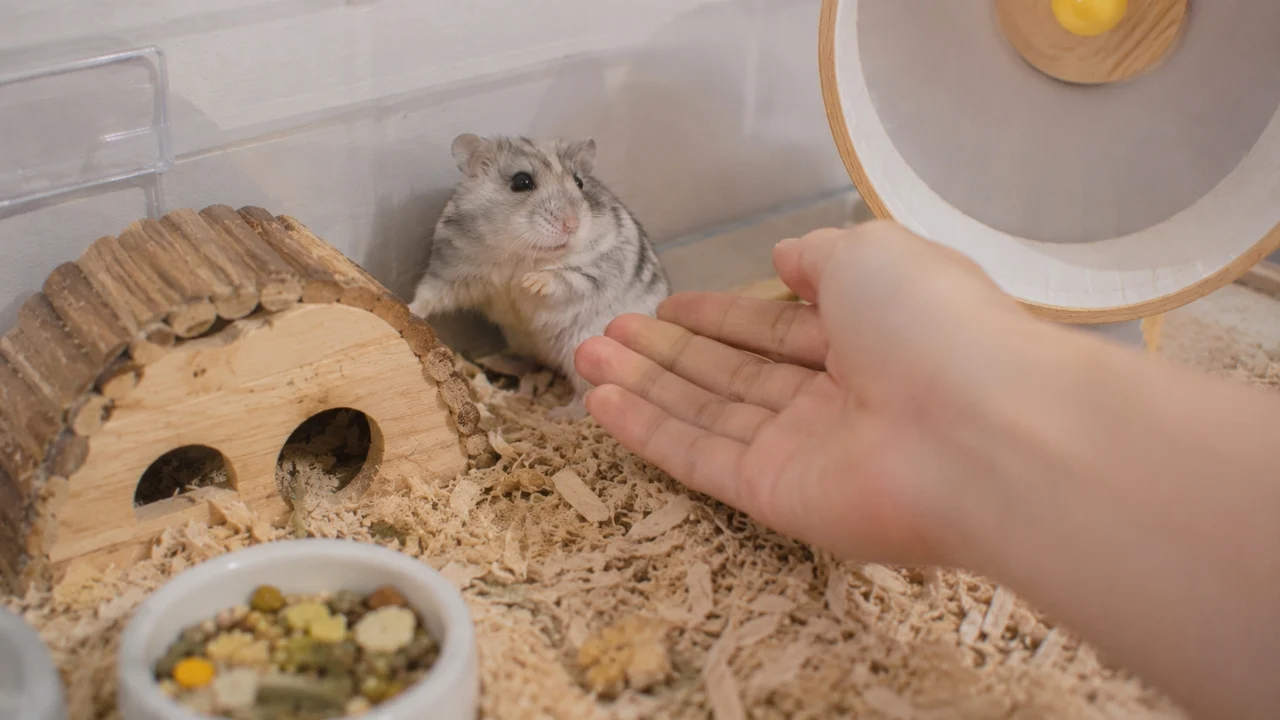
Your hamster may be ready for gentle handling when it:
- Approaches you willingly
- Accepts treats calmly
- No longer hides immediately
- Appears relaxed during your presence
Start slowly.
Allow the hamster to climb onto your hand rather than lifting it unexpectedly.

Short positive interactions are usually more effective than long handling sessions.
Why Patience Leads to a Better Long-Term Bond
Many new owners worry that giving their hamster space will slow the bonding process.
In reality, the opposite is often true.
A hamster that learns it can trust you on its own terms is more likely to:
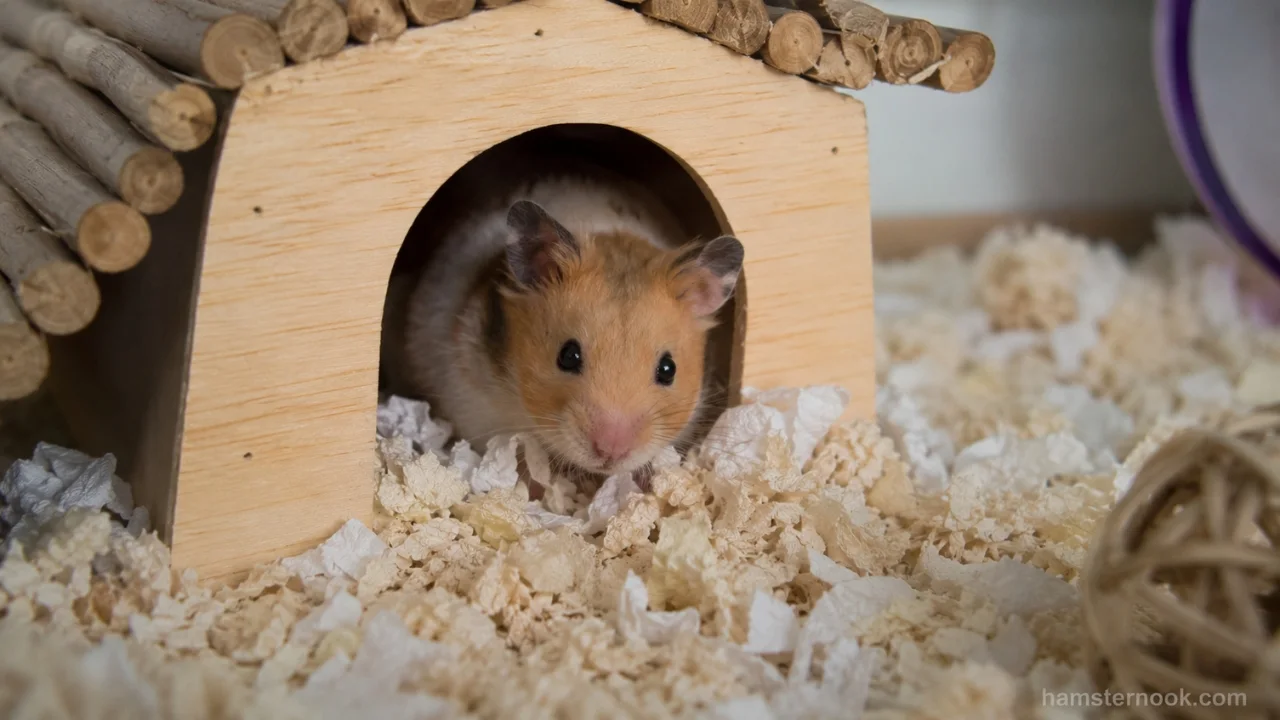
- Approach voluntarily
- Enjoy interaction
- Remain calm during handling
- Develop confidence around people
Rushing the process may create setbacks that take much longer to overcome.
Trust isn’t built by forcing interaction. It’s built by consistently showing your hamster that you’re safe.
Is It Ever Okay to Handle a Hamster During the First Week?
Some confident hamsters may willingly approach people within a few days of arriving home. If your hamster calmly takes treats, appears curious, and voluntarily climbs onto your hand, brief interaction may be possible.
However, the hamster should always have the choice to walk away. Forced handling is far more likely to slow progress than speed it up.
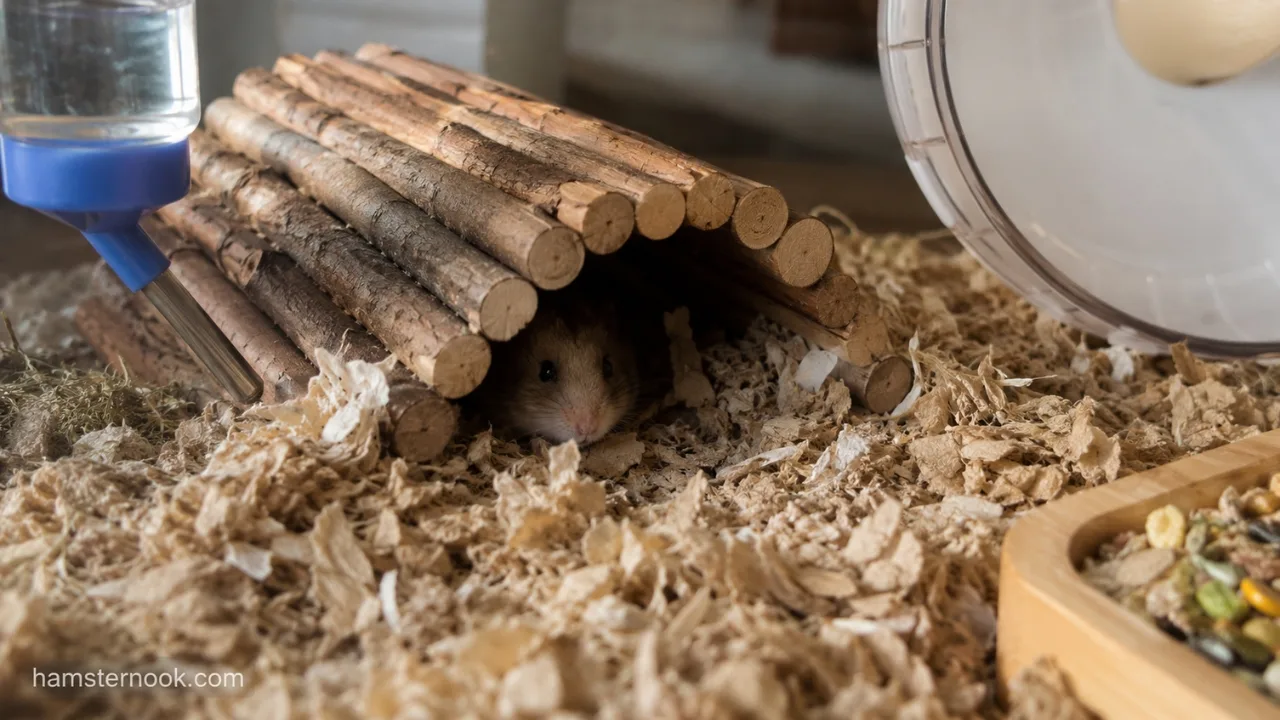
A Simple First-Week Checklist for New Hamster Owners
| Do This | Avoid This |
|---|---|
| Provide fresh food and water | Repeatedly picking up the hamster |
| Allow uninterrupted sleep | Waking the hamster for playtime |
| Speak softly near the enclosure | Loud noises around the cage |
| Observe behavior patiently | Constantly reaching into the cage |
| Offer occasional treats | Overfeeding treats |
| Maintain a stable environment | Frequently rearranging the enclosure |
Following these simple guidelines can dramatically improve your hamster’s adjustment experience.
Many owners feel guilty about leaving a new hamster alone during the first week, but giving it space is often one of the kindest things you can do. Allowing your hamster to adjust at its own pace creates the confidence needed for a stronger relationship in the weeks ahead.
Final Thoughts
Many first-time owners believe they need to start bonding with their hamster on day one. In reality, the strongest hamster-owner relationships usually begin with patience rather than handling.
While it’s natural to feel excited about your new pet, hamsters need time to feel secure before they can learn to trust the people around them. Giving your hamster space during those first crucial days is not neglect—it’s one of the most important parts of responsible hamster care.
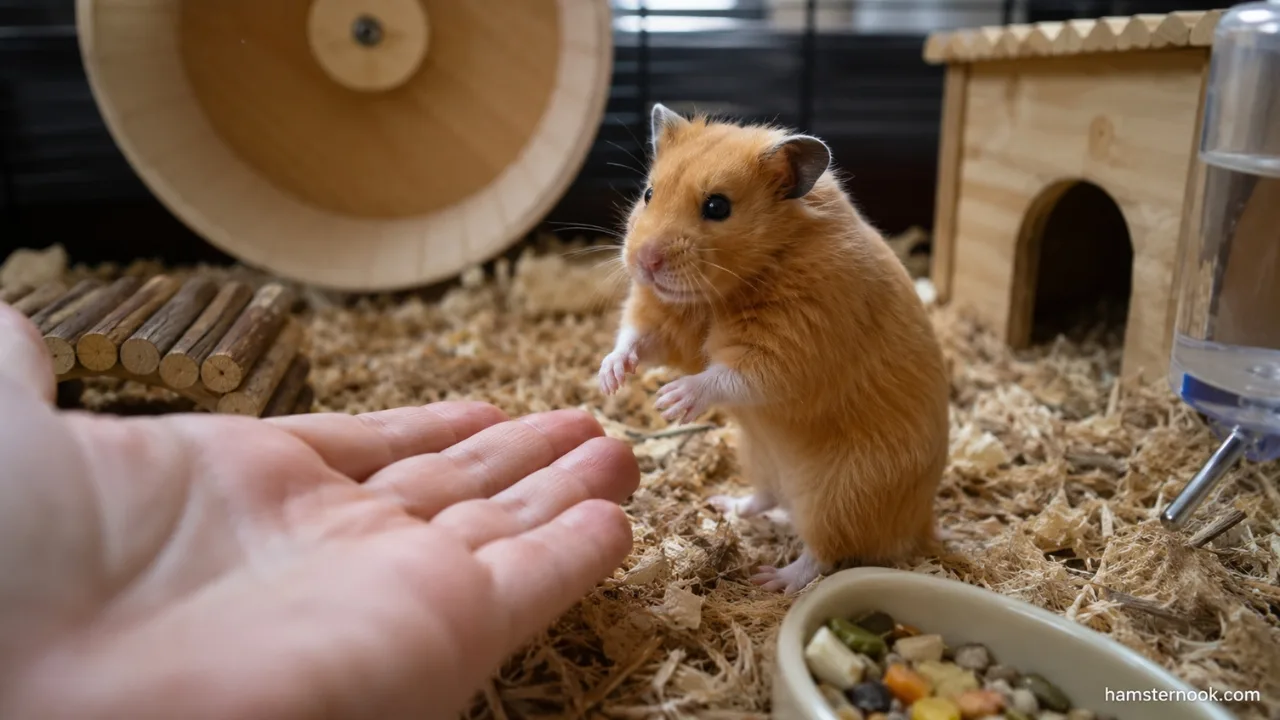
A calm, patient approach gives your hamster the opportunity to settle into its new surroundings without unnecessary pressure. As confidence grows naturally, most hamsters become more willing to explore, accept treats, and interact with their owners. Trust develops gradually, but giving your hamster the time it needs often creates the strongest long-term bond.
Frequently Asked Questions
Is it normal for a new hamster to hide all the time?
Yes. Hiding is one of the most common behaviors during the first week and usually decreases as the hamster becomes more comfortable in its environment.
How many days should I wait before handling my hamster?
Most hamsters benefit from at least several days of adjustment before handling begins. Rather than following a strict number of days, wait until your hamster is exploring confidently, accepting treats, and showing curiosity instead of fear when you approach.
Why is my new hamster biting me?
Biting is often a defensive response caused by fear or stress. Give your hamster more time to settle and avoid forcing interaction.
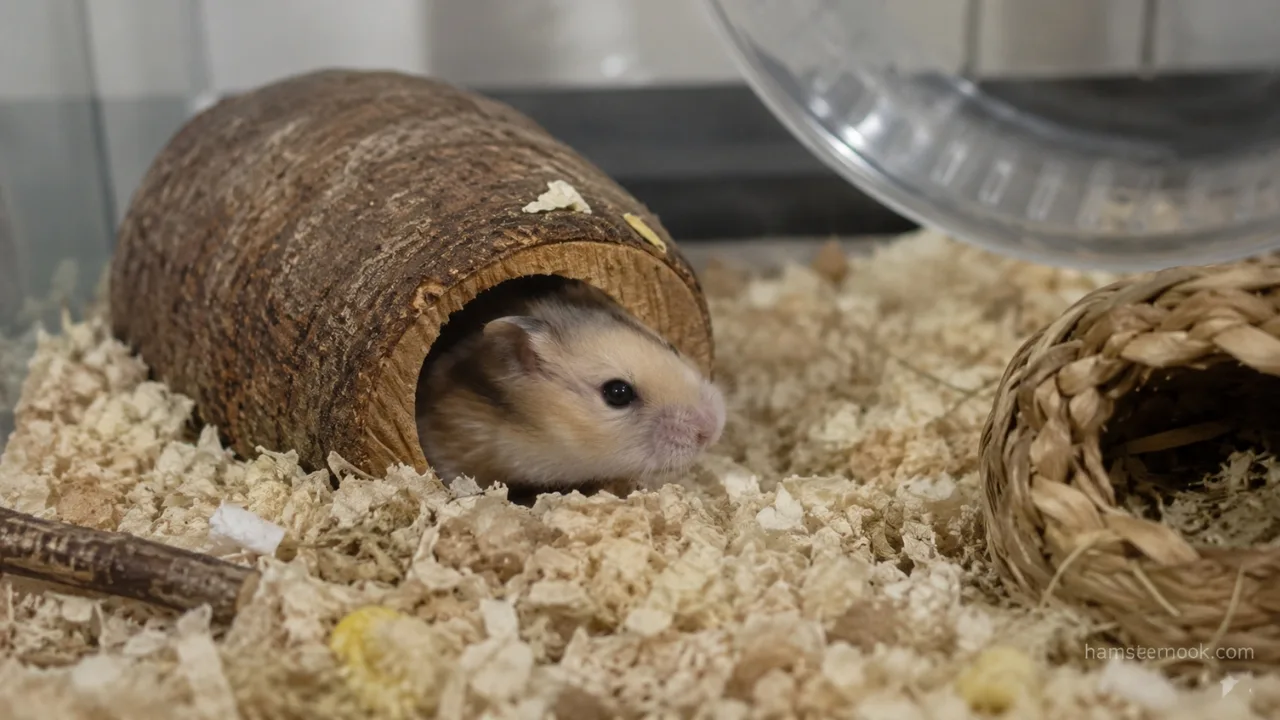
Should I wake my hamster up to bond with it?
No. Hamsters should be allowed to follow their natural sleep schedule. Waking them can increase stress and make bonding more difficult.
What is the fastest way to gain a hamster’s trust?
Patience, consistency, gentle behavior, and positive experiences are usually the most effective ways to build trust.
Can I clean my hamster’s cage during the first week?
Basic spot cleaning is fine, but a full deep clean is usually unnecessary unless there is a hygiene issue that needs immediate attention.
Can handling a hamster too soon make it aggressive?
Handling a hamster before it feels safe can increase fear-based behaviors such as biting, fleeing, or hiding. These reactions are usually defensive rather than true aggression and often improve when the hamster is given more time to adjust.

What should I do on the first day after bringing a hamster home?
Provide food, water, bedding, and a quiet environment, then allow your hamster to explore its enclosure with minimal disturbance. Focus on observation rather than handling during the first day.
References
This guide is based on hamster behavior, settling-in, housing, handling, enrichment, and welfare guidance from trusted animal welfare and veterinary resources, including:
- RSPCA – Hamster Behaviour – Guidance on natural hamster behavior, handling, activity patterns, stress, and helping hamsters adjust to their environment.
- RSPCA – Creating a Good Home for Hamsters – Guidance on suitable housing, bedding, hiding places, environmental conditions, and creating a secure home.
- RSPCA – Keeping Hamsters as Pets – General guidance on hamster care, handling, housing, diet, behavior, and welfare.
- Blue Cross – Hamster Care Guide – Practical advice on hamster care, handling, housing, enrichment, feeding, and helping a new hamster settle.
- MSD Veterinary Manual – Providing a Home for a Hamster – Veterinary guidance on hamster housing, environmental needs, bedding, nesting, and suitable enclosure conditions.
- NC3Rs – Housing and Husbandry: Hamster – Guidance on hamster housing, husbandry, environmental conditions, and supporting species-appropriate behavior.
- NC3Rs – Choosing Appropriate Enrichment – Guidance on appropriate enrichment and opportunities that support natural hamster behaviors and welfare.

Narayan Kumar is the founder and author of HamsterNook. He creates practical, research-based hamster care guides covering hamster behavior, nutrition, cage setup, enrichment, health, and everyday care. His goal is to help hamster owners make informed decisions and provide safer, healthier lives for their pets through clear, beginner-friendly information based on trusted animal care resources.